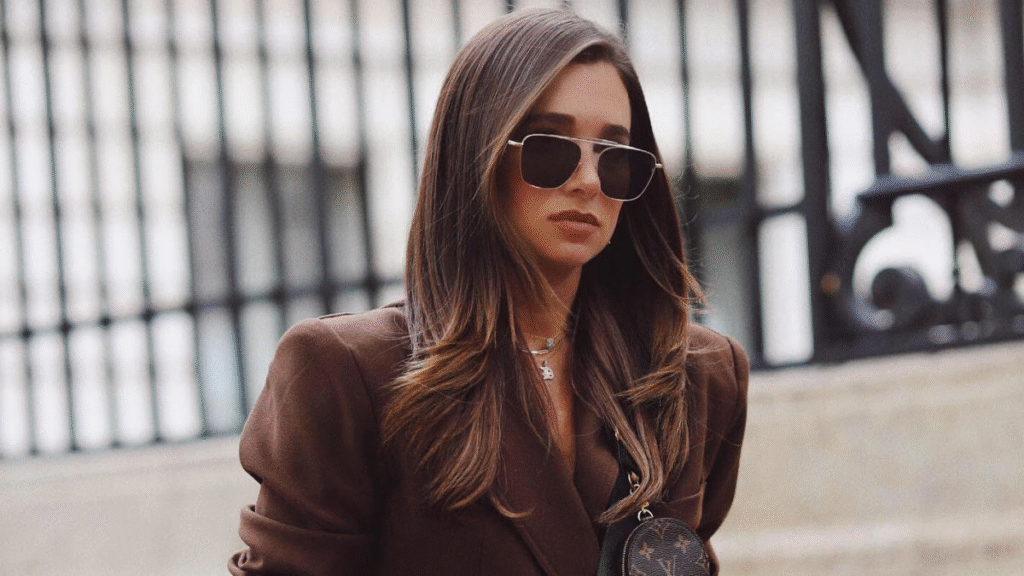
Danielle Bernstein, the founder of WeWoreWhat, is one of the most recognizable names in the influencer-turned-entrepreneur space. With millions of followers and a fashion brand that grew rapidly from Instagram fame, her rise has been closely watched. Along with success, however, came repeated accusations of copying designs from independent creators and smaller brands. Over the years, these claims have sparked online debates, public apologies, and difficult conversations about originality in the influencer economy.
Below is a clear, chronological look at how these controversies unfolded and why they continue to matter.

The Early Rumblings: Social Media Side-by-Side Comparisons

The first major copycat accusations surfaced when independent designers began sharing side-by-side images on Instagram. These posts compared their original designs with similar pieces released under the WeWoreWhat label or through brand collaborations associated with Bernstein.
What fueled the conversation was not just similarity in silhouettes, but timing. In several cases, creators claimed they had posted or launched designs publicly before comparable items appeared from Bernstein’s brand. These early posts didn’t always gain mainstream attention, but they laid the groundwork for what followed.
2020: The Controversy Goes Mainstream
The situation escalated when multiple designers came forward around the same period, each sharing similar stories. Fashion Twitter and Instagram amplified their claims, and screenshots spread quickly.
At this point, the issue moved beyond niche creator circles. Larger media outlets began reporting on the accusations, framing them as part of a broader discussion about power imbalance in the fashion and influencer industries. Critics argued that small designers lacked the resources to fight back, while influencers with massive platforms could release similar products at scale.
Danielle Bernstein Responds Publicly
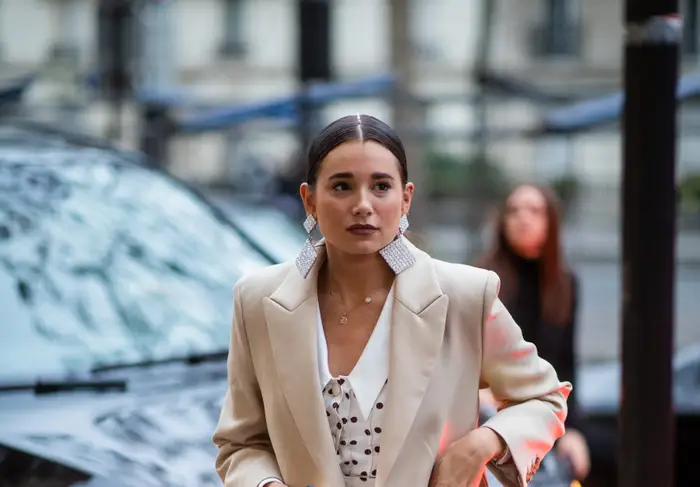
In response to mounting criticism, Danielle Bernstein issued public statements denying intentional copying. She emphasized that fashion trends are cyclical and that overlap in design can happen naturally. Bernstein also stated that her brand worked with manufacturers and designers who followed standard industry practices.
At the same time, she acknowledged mistakes in communication and said she was open to improving internal processes. While some followers appreciated the response, others felt it did not fully address the concerns raised by independent creators.
Apologies, Settlements, and Policy Changes
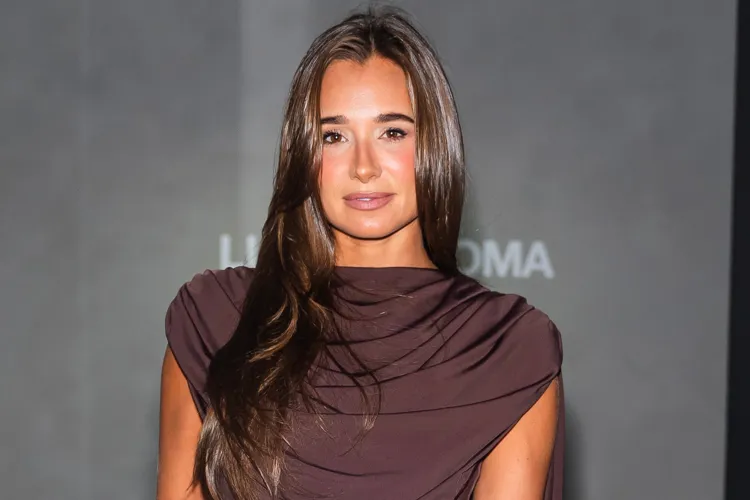
As scrutiny intensified, Bernstein shared that her company was revisiting how designs were sourced and approved. In certain instances, she publicly apologized to designers who felt wronged. Reports also suggested that some disputes were resolved privately, though details were not made public.
These steps slightly cooled the backlash, but they did not erase the controversy. For many critics, the issue was not just about individual designs but about accountability and transparency.
Ongoing Scrutiny and Public Perception
Even years later, Bernstein’s name is frequently mentioned whenever discussions about copying in influencer fashion arise. New collections are often examined closely by followers, sometimes leading to renewed debate even when similarities are minimal.
This ongoing scrutiny highlights how reputational damage can linger long after a controversy peaks. For supporters, Bernstein represents ambition and business success. For critics, she remains a symbol of how influencer power can overshadow smaller voices.
YOU MIGHT ALSO LIKE
Smartphone Trends 2026: New Technology, Features & What to Expect
Most of us will happily spend an hour debating the best trainers or which streaming…
Best Bags & Handbags 2026: Stylish, Practical & Trendy Picks
The best bag styles of fall are anything but basic. The 2026 runways introduced fresh…
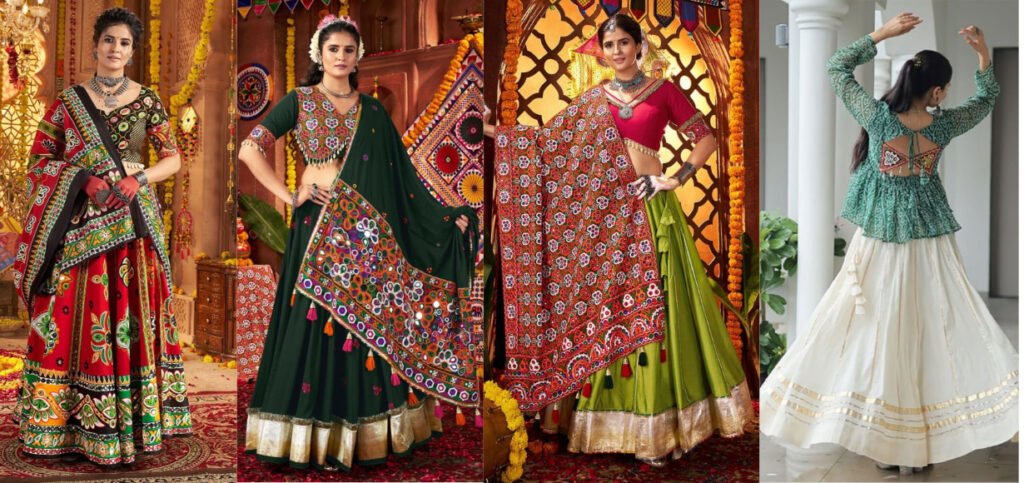
Navratri Dress Ideas 2026: Beautiful Chaniya Choli, Kurta & Ethnic Looks
Navratri is one of those festivals where fashion becomes part of the celebration. Nine nights…
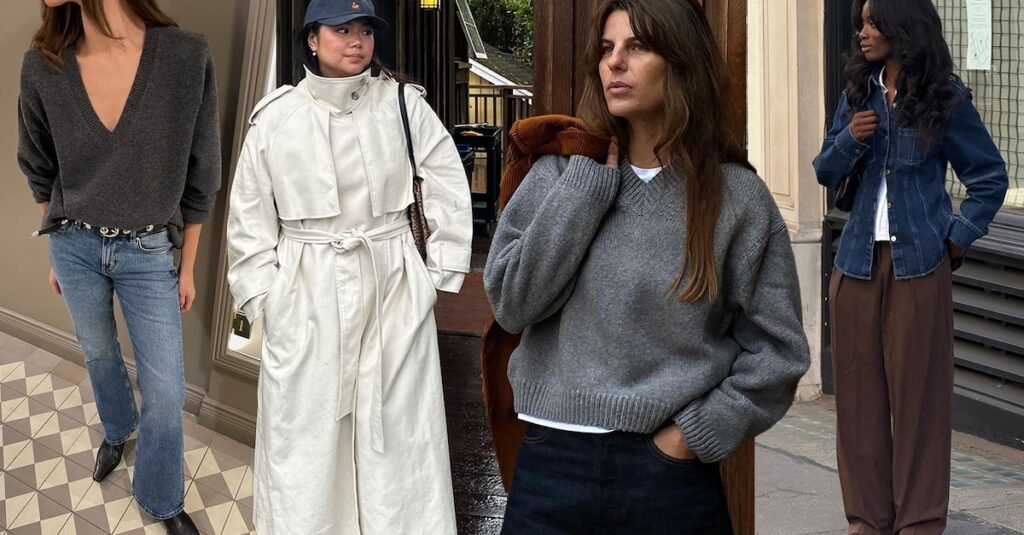
Best Fashion Styling Tips 2026: Easy Ways to Look Stylish, Confident & Trendy
2026 fashion trends are all about a bold combination of personal expression, revived classics, and…
Best Flight Booking Tips 2026: Find Cheap Flights & Save Money
Ever panic-booked because you thought the price would rise in the next five minutes? Same….

Trending Now 2026: Top Viral Stories, Internet Trends & Social Media Buzz
July 2026 is packed with cultural triggers. The 4th of July brought back Jennifer Coolidge’s…
Why This Timeline Still Matters
The Danielle Bernstein copycat controversies are about more than one person or one brand. They reflect larger tensions in modern fashion: fast production cycles, blurred lines between inspiration and imitation, and unequal power dynamics between influencers and independent creators.
The conversation has pushed audiences to ask tougher questions about ethics, credit, and responsibility in digital-first businesses.
Final Thought
Whether one views Danielle Bernstein as misunderstood or rightfully criticized, her story underscores an important truth: influence comes with responsibility. In an industry driven by visibility and speed, transparency and accountability are no longer optional. The copycat controversies serve as a reminder that success in the public eye is inseparable from public trust.
Frequently Asked Questions (FAQ)
Disclaimer : This article is based on publicly available discussions, media reports, and statements related to Danielle Bernstein and WeWoreWhat. It does not claim legal wrongdoing and is intended for informational purposes only. Readers are encouraged to review multiple sources and form their own opinions.
Hashtags
#DanielleBernstein #WeWoreWhat #FashionControversy #InfluencerCulture #CopycatDebate #FashionIndustry #SocialMediaInfluencers #Carrerbook #Anslation