
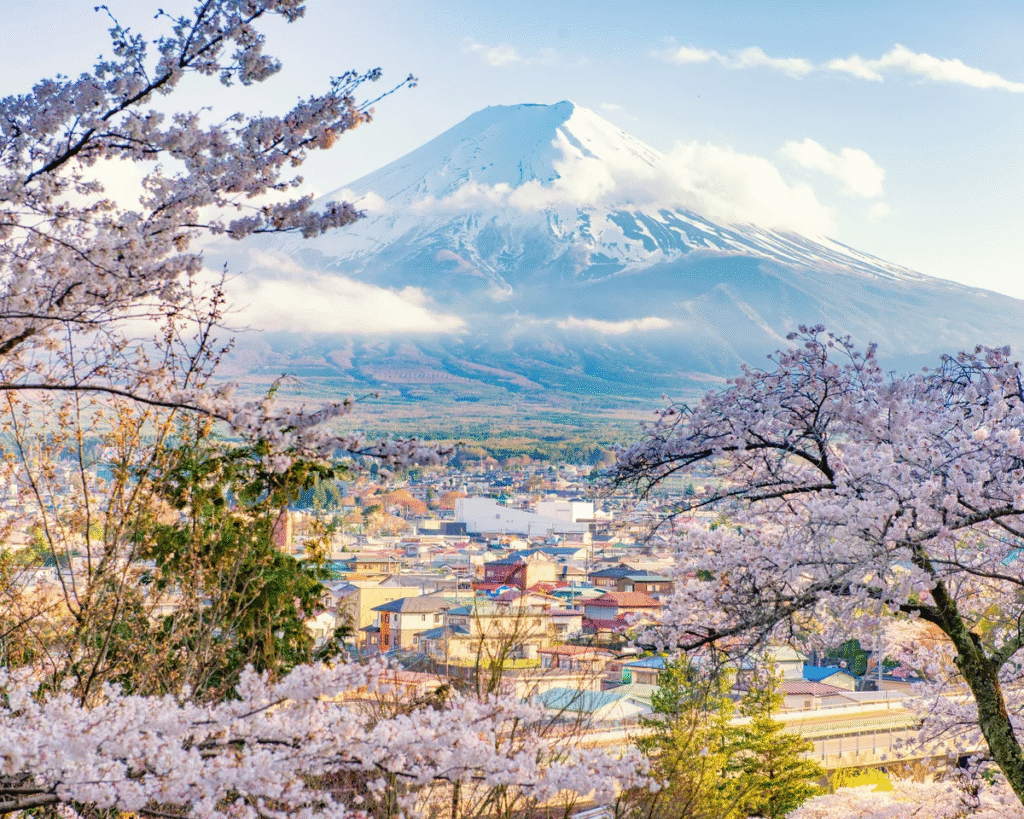
Japan’s cherry blossom season, known globally as sakura season, has long been one of the country’s most celebrated cultural events. Every year, millions of travelers visit Japan to witness the breathtaking bloom of cherry blossoms and participate in traditional hanami (flower-viewing) celebrations. However, recent developments have shocked travel enthusiasts and tourism stakeholders alike. One of Japan’s popular cherry blossom festivals has been officially cancelled, raising serious concerns about the future of seasonal tourism in the country.
What Led to the Festival Cancellation
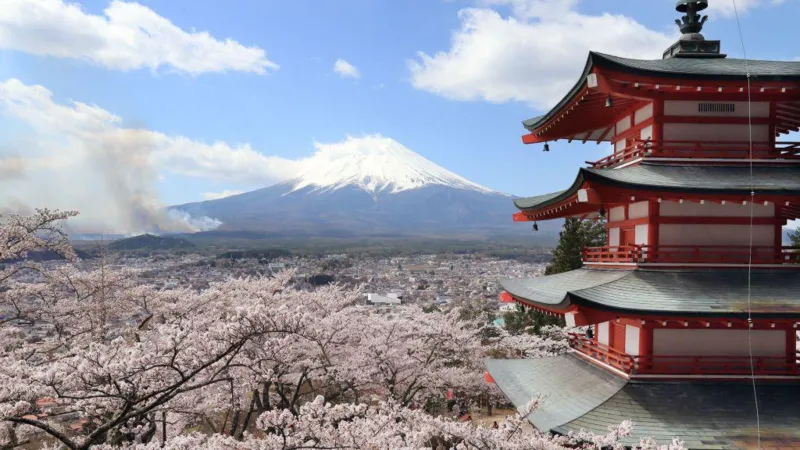
The cancellation specifically affects the famous cherry blossom festival held at Arakurayama Sengen Park in Fujiyoshida, a scenic destination known for its iconic view of Mount Fuji framed by pink sakura blossoms. The event had been running for nearly a decade and typically attracted around 200,000 visitors each year, making it one of the most photographed and visited spring attractions in Japan.
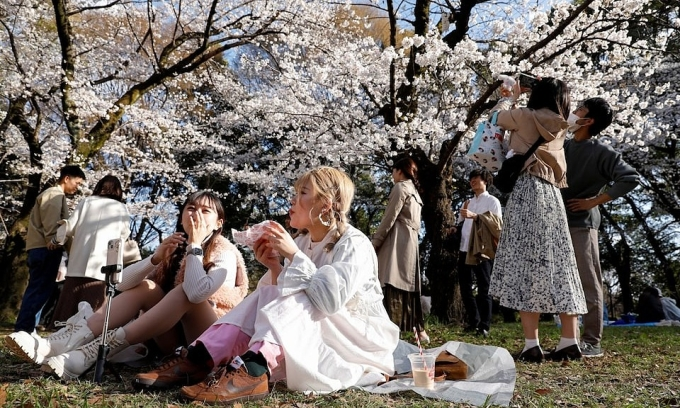
Authorities made the difficult decision after growing complaints from local residents and officials regarding severe overcrowding and tourist misconduct. Reports highlighted issues such as trespassing on private property, littering, and inappropriate public behavior, all of which significantly affected the daily lives of residents. Officials described the situation as a crisis and stated that protecting community dignity and living conditions had become a priority.
The rise of social media has also played a major role in increasing tourist numbers. The photogenic combination of cherry blossoms and Mount Fuji has made the location extremely popular online, attracting thousands of visitors daily during peak bloom periods.
Overtourism and Its Growing Impact on Japan
Japan is currently experiencing a major tourism boom. The country welcomed approximately 42.7 million visitors in 2025, setting an all-time record and surpassing previous years. A weaker yen has made travel to Japan more affordable, further boosting international visitor numbers.
While this surge has benefited the tourism economy, it has also created infrastructure challenges. Narrow roads, limited parking facilities, and crowded public spaces in smaller towns like Fujiyoshida have struggled to accommodate large crowds. Traffic congestion and environmental damage have become recurring concerns.
Experts believe that the festival cancellation is a strong example of how overtourism can force destinations to rethink tourism management. Local authorities emphasized that preserving cultural heritage and environmental sustainability must take precedence over rapid tourism growth.
Economic and Cultural Effects on Tourism

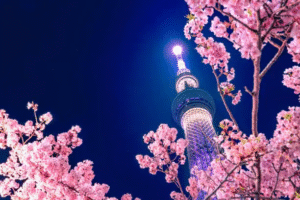
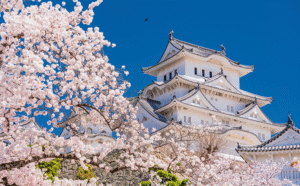
The cherry blossom season is a crucial economic driver for Japan. Hotels, restaurants, transportation services, and local vendors rely heavily on the surge of visitors during spring. The cancellation of major festivals may temporarily affect local business revenue and tourism-related employment opportunities.
However, tourism officials suggest that the cancellation does not mean visitors will stop coming. Sakura viewing remains a nationwide attraction, and travelers are expected to continue visiting popular locations even without official festival events. Authorities are now focusing on implementing stricter crowd management, increased security measures, and improved visitor facilities.
Additionally, the move is encouraging travelers to explore lesser-known destinations across Japan, which could help distribute tourist crowds more evenly and support smaller communities.
What This Means for Travelers
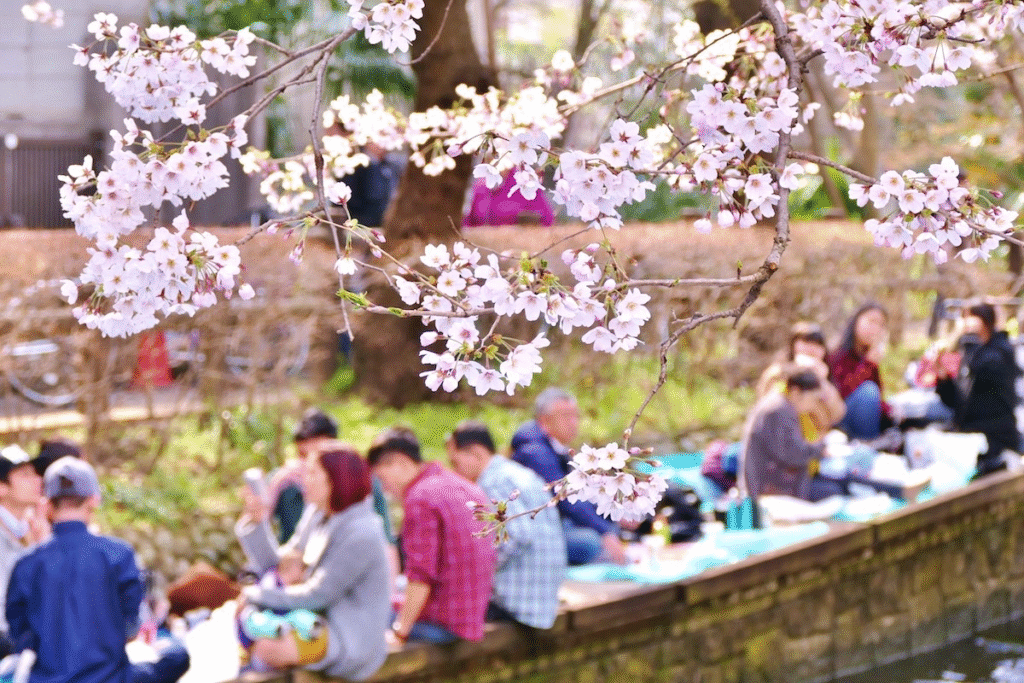
Despite the cancellation, Japan’s cherry blossom season remains active across multiple regions, including Tokyo, Kyoto, and Osaka. Travelers can still experience hanami traditions by visiting parks, riversides, and cultural landmarks during peak bloom periods.
Tourism authorities are also urging visitors to follow local guidelines, respect residential areas, and adopt responsible travel practices. Sustainable tourism is becoming a major focus as Japan works to balance global popularity with cultural preservation.
Future Outlook for Japan’s Sakura Tourism
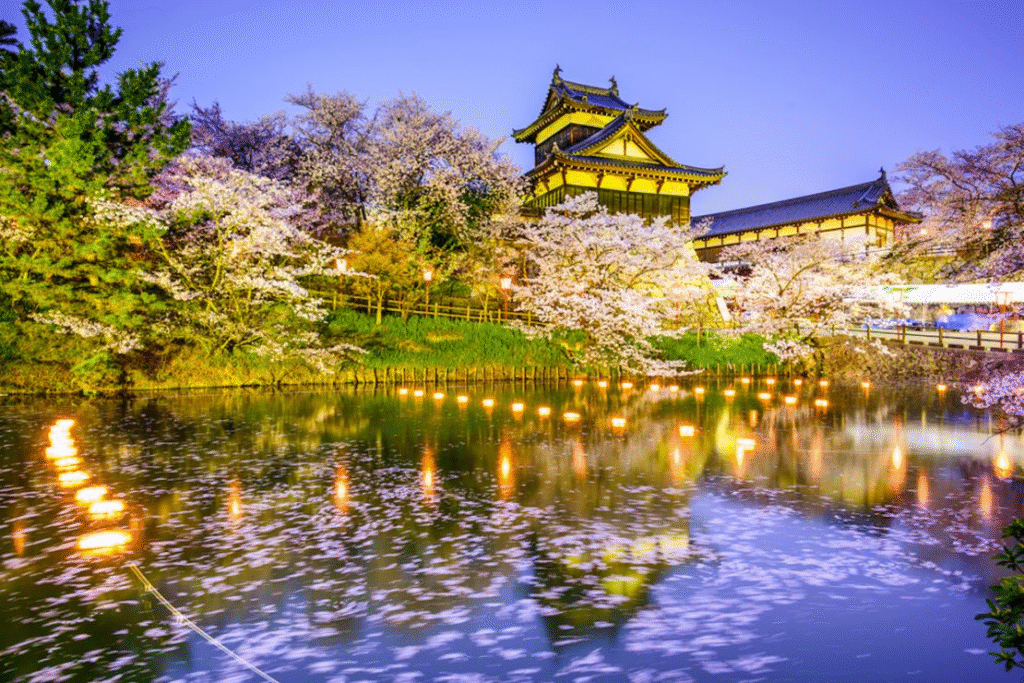
The cancellation signals a shift in Japan’s tourism strategy. Instead of prioritizing large-scale festivals, authorities may focus on controlled visitor experiences and eco-friendly tourism models. Improved infrastructure, visitor education, and crowd control measures are likely to play key roles in future events.
Many experts believe that this change could ultimately benefit Japan’s tourism industry by ensuring long-term sustainability and protecting the country’s cultural identity.
Final Thought
The cancellation of one of Japan’s beloved cherry blossom festivals highlights the complex relationship between tourism growth and cultural preservation. While the decision may disappoint travelers, it also reflects Japan’s commitment to protecting its communities and natural beauty. As global travel continues to rise, sustainable tourism will likely shape the future of iconic cultural celebrations like sakura season.
Best Flight Booking Tips 2026: Find Cheap Flights & Save Money
Ever panic-booked because you thought the price would rise in the next five minutes? Same….

Trending Now 2026: Top Viral Stories, Internet Trends & Social Media Buzz
July 2026 is packed with cultural triggers. The 4th of July brought back Jennifer Coolidge’s…

Best Bollywood Movies to Watch in 2026: Latest Releases & Upcoming Films
A list of all upcoming Bollywood movies for 2026 and 2027 with release dates, casts,…

Kids’ Fashion Trends: The Ultimate Guide to Stylish Outfit Ideas
As we step into 2025, children’s fashion is embracing bold creativity, sustainability, and comfort like…

The Ultimate Guide to Flights & Transportation: Tips, Options & Travel Planning
It’s time-consuming, overwhelming, and downright confusing; there’s flights to book, currencies to convert, time to…

The Ultimate Guide to Insurance: Types, Benefits, Coverage & Tips
Insurance, in simple terms, is a financial arrangement that provides protection against potential financial losses….

Myths and Facts About Japan Cherry Blossom Festival Cancellation
Myth 1: Japan cancelled the entire cherry blossom season
Fact: Japan has not cancelled the cherry blossom season itself. Only specific festivals and organized events in certain locations were cancelled. Visitors can still enjoy sakura viewing in many parks and cities across Japan.
Myth 2: The cancellation happened because cherry blossoms did not bloom
Fact: The cancellation is not related to weather or bloom failure. Reports suggest that overcrowding, tourist misbehavior, and pressure on local infrastructure were key reasons behind the decision.
Myth 3: Tourists are no longer allowed to visit cherry blossom spots in Japan
Fact: Tourists are still welcome to visit Japan during sakura season. Authorities are simply encouraging responsible tourism and may enforce stricter rules at some popular locations.
Myth 4: Japan is shutting down tourism due to overtourism
Fact: Japan continues to promote tourism and remains one of the most visited destinations globally. The cancellation of certain festivals is a step toward better crowd control and sustainable travel management.
Myth 5: The cherry blossom festivals are permanently cancelled
Fact: Most cancellations are temporary or location-specific. Authorities may reintroduce festivals in the future with improved management and safety guidelines.
This article is based on publicly available news reports, travel updates, and trending search insights. Event details, travel guidelines, and tourism policies may change over time. Travelers are advised to check official tourism websites and local announcements before planning their trips.
#JapanTourism #CherryBlossomFestival #SakuraSeason #JapanTravelNews #Overtourism #MountFuji #TravelUpdates #SustainableTourism #Hanami #TravelTrends #Carrerbook #Anslation