
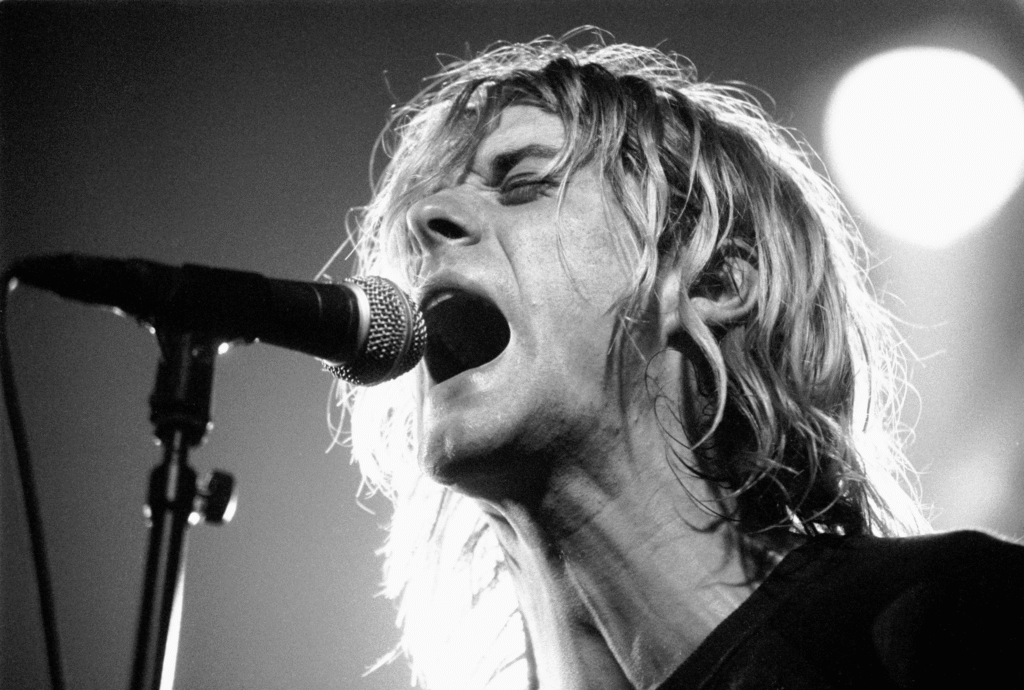
A new independent investigation raises doubts about the official account of Kurt Cobain’s death, but authorities refuse to reopen the case despite mounting evidence and public scrutiny.
More than three decades after Kurt Cobain was found dead at his Seattle home on April 5, 1994, the debate surrounding his death continues to capture global attention. Officially ruled a suicide caused by a self-inflicted shotgun wound, the case has remained legally closed. However, renewed claims from an independent forensic review team have reignited discussion about whether certain medical findings and crime scene details deserve a second look. While authorities stand firmly by the original conclusion, private researchers argue that some aspects of the case raise unanswered questions. As one independent reviewer stated, “If we’re wrong, just prove it to us. That’s all we’re asking for.” The tension between official findings and alternative interpretations has kept this case alive in public conversation.
Who Was Kurt Cobain?
Kurt Donald Cobain, born February 20, 1967, in Aberdeen, Washington, became one of the most influential musicians of the 20th century. As the lead singer, guitarist, and primary songwriter of Nirvana, Cobain’s raw emotion and unfiltered honesty transformed alternative rock into a mainstream force. His lyrics often explored themes of alienation, pain, identity, and rebellion, resonating deeply with young audiences in the early 1990s.
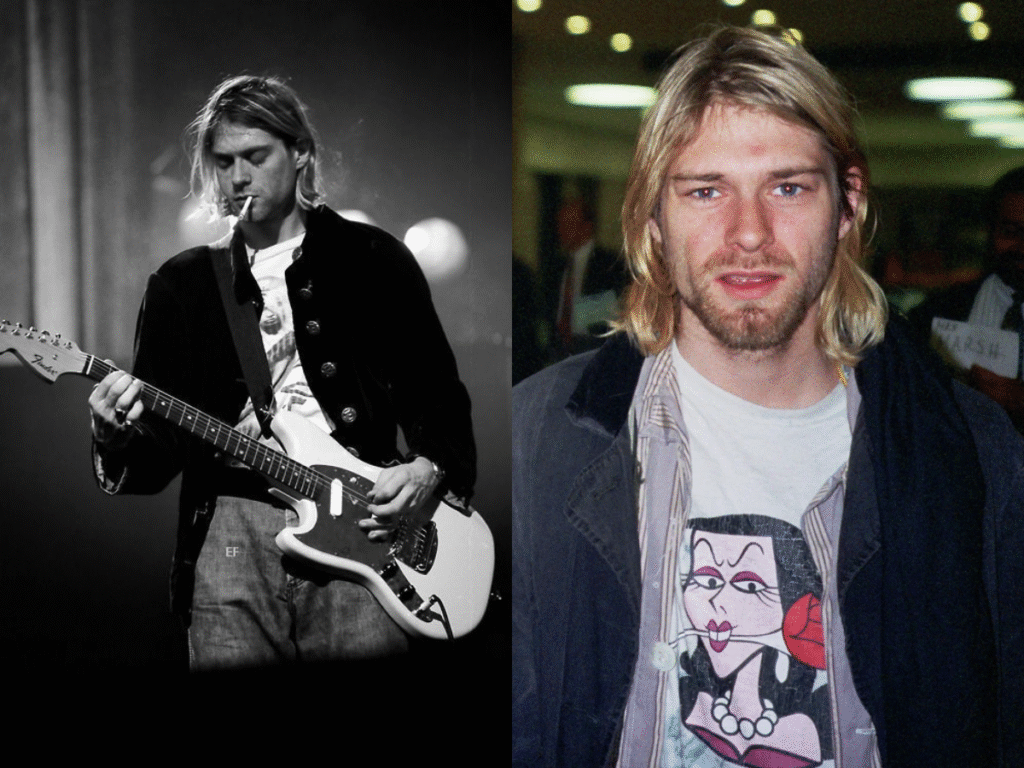
Cobain once famously said, “I’d rather be hated for who I am than loved for who I am not.” That statement reflected his struggle with fame and authenticity. Despite global success, he battled depression, addiction, and intense media scrutiny. His life embodied both extraordinary artistic brilliance and profound personal turmoil, which continues to shape how fans interpret his final days.
Kurt Cobain’s Career and Cultural Impact
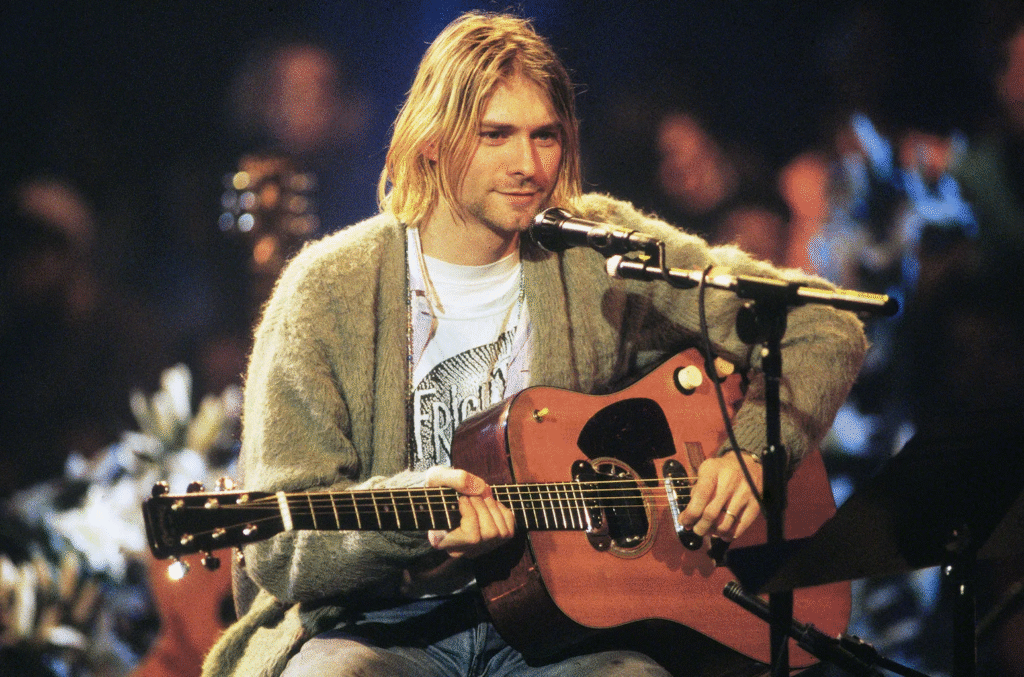
When Nirvana released Nevermind in 1991, the music industry shifted overnight. “Smells Like Teen Spirit” became an anthem for Generation X, pushing grunge into the mainstream and challenging the polished glam-rock dominance of the 1980s. Songs like “Come As You Are,” “Lithium,” and “Heart-Shaped Box” showcased Cobain’s ability to combine heavy distortion with emotional vulnerability.
Cobain often expressed discomfort with celebrity culture, once saying, “Fame is the last thing I wanted.” His uneasy relationship with the spotlight contributed to his mystique. While he changed the direction of rock music, he simultaneously resisted being turned into a commercial product. Even today, Nirvana’s influence remains visible across rock, punk, and alternative genres, proving that Cobain’s impact extended far beyond his short career.
The Official Investigation (1994)
When Cobain’s body was discovered in April 1994, authorities conducted a full investigation. The Seattle Police Department and the King County Medical Examiner’s Office concluded that he died by suicide. Key elements of the official findings included:
- A self-inflicted shotgun wound
- A handwritten suicide note
- High levels of heroin in his system
- Scene evidence deemed consistent with suicide
In 2014, police re-examined the case and released additional crime scene photographs to address ongoing speculation. After reviewing the materials, officials reaffirmed the original ruling. A spokesperson for the Medical Examiner’s Office later stated, “Our office is always open to revisiting conclusions if new evidence comes to light, but we have seen nothing that warrants reopening this case.” As of 2026, the death remains officially classified as suicide.
Claims from the Independent Forensic Review
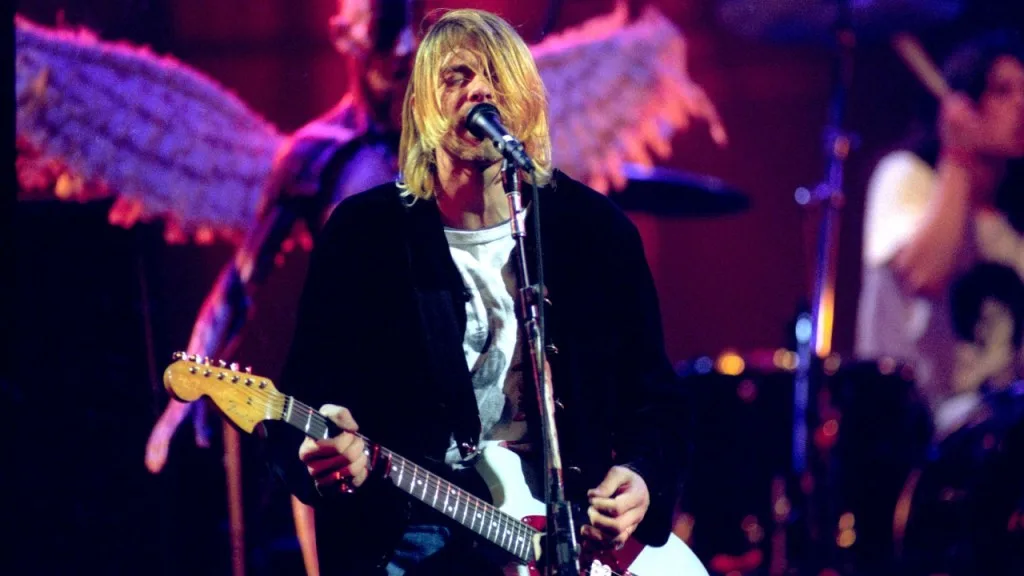
In late 2025, forensic specialist Brian Burnett and researcher Michelle Wilkins presented an independent review challenging aspects of the original findings. According to Wilkins, “The necrosis of the brain and liver happens in an overdose. It doesn’t happen in a shotgun death.” The team argues that certain autopsy findings may align more closely with oxygen deprivation caused by heroin overdose.
Their concerns include:
- Organ damage allegedly consistent with overdose
- Extremely high heroin levels
- Fluid in the lungs and bleeding in the eyes
- Questions about physical capability to fire the weapon
- Alleged inconsistencies in shell casing position
Wilkins also questioned whether Cobain could have physically managed the scene given the reported heroin levels, stating, “He’s dying of an overdose… and we’re supposed to believe he had the strength to do all of this?”
Additionally, the independent team suggests the scene appeared unusually orderly, with shotgun shells and receipts reportedly arranged in a straight line. They also cast doubt on portions of the suicide note, suggesting stylistic differences in the final lines. However, these claims remain opinions of private researchers and have not been validated by law enforcement authorities.
Authorities’ Response to the New Allegations
Despite renewed public debate, officials remain firm. The King County Medical Examiner’s Office has stated it remains open to reviewing credible new evidence but maintains that nothing presented so far justifies reopening the investigation. The Seattle Police Department has similarly declined requests for further inquiry.
Importantly:
- No law enforcement agency has declared the case a homicide.
- No arrests or formal suspects have been identified.
- The official cause of death remains unchanged.
The contrast between independent analysis and official findings continues to fuel public discussion, but legally, the case stands as closed.
Why the Debate Continues
Kurt Cobain’s death holds emotional weight far beyond typical celebrity tragedies. As a member of the “27 Club,” his passing joined a list of legendary musicians who died young, amplifying myth and speculation. For many fans, the idea of unanswered questions is difficult to accept.
The ongoing debate is driven by:
- Emotional attachment to Cobain’s legacy
- Conflicting interpretations of forensic evidence
- Public distrust in high-profile investigations
- The enduring cultural impact of Nirvana
Whether viewed as a tragic suicide resulting from personal struggles or as a case deserving further examination, Cobain’s story continues to resonate. His music still inspires millions, and the questions surrounding his death remain part of his enduring legacy.
◆Key Points
- Present forensic specialists challenge Kurt Cobain’s 1994 suicide ruling, citing evidence of forced heroin overdose and staged homicide.
- Highlight discrepancies include organ necrosis, clean death scene, inconsistent shotgun mechanics, and suspicious suicide note handwriting.
- Note discovery of shotgun receipt and neatly arranged shells suggest deliberate staging to confirm suicide narrative.

Smartphone Trends 2026: New Technology, Features & What to Expect
Most of us will happily spend an hour debating the best trainers or which streaming…

Best Bags & Handbags 2026: Stylish, Practical & Trendy Picks
The best bag styles of fall are anything but basic. The 2026 runways introduced fresh…

Navratri Dress Ideas 2026: Beautiful Chaniya Choli, Kurta & Ethnic Looks
Navratri is one of those festivals where fashion becomes part of the celebration. Nine nights…

Best Fashion Styling Tips 2026: Easy Ways to Look Stylish, Confident & Trendy
2026 fashion trends are all about a bold combination of personal expression, revived classics, and…

Best Flight Booking Tips 2026: Find Cheap Flights & Save Money
Ever panic-booked because you thought the price would rise in the next five minutes? Same….

Trending Now 2026: Top Viral Stories, Internet Trends & Social Media Buzz
July 2026 is packed with cultural triggers. The 4th of July brought back Jennifer Coolidge’s…