
Child care in the United States has now joined a growing list of industries where private equity’s influence is facing increased scrutiny from lawmakers. What was once seen as a financial opportunity for investors is now being questioned for its potential impact on essential services—especially those involving vulnerable populations like children.
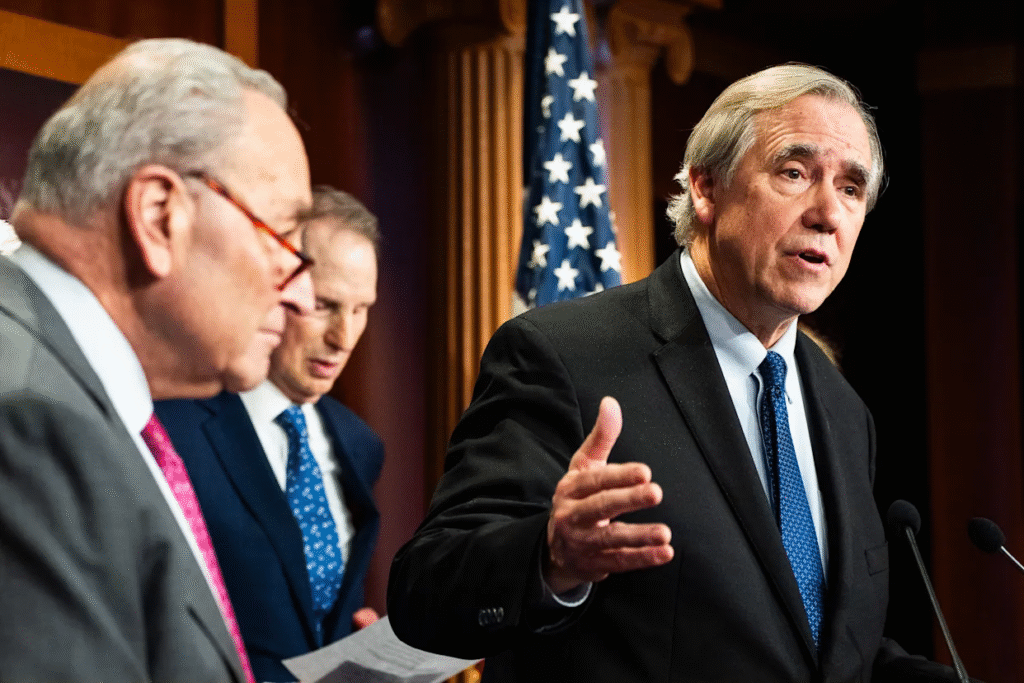
On March 2026, Senator Jeff Merkley announced a formal investigation into whether private equity firms are prioritizing profits over the safety and well-being of children in child-care facilities. This move marks a significant step in the broader debate about the role of private capital in public-serving industries.
Growing Concerns Over Private Equity in Essential Services
Private equity firms have long been active across various industries, from healthcare and housing to retail and education. Their model typically involves acquiring businesses, optimizing operations, and generating returns for investors. However, when this model is applied to essential services like child care, it raises serious ethical and operational concerns.
Senator Merkley, a leading Democrat on the Senate Budget Committee, has expressed concerns that the profit-driven nature of private equity may conflict with the needs of families and children. According to him, the expansion of private equity into child care could lead to cost-cutting measures that compromise safety, staffing, and service quality.
This investigation reflects a broader shift in how policymakers view private equity—not just as a financial player, but as a force that can significantly impact everyday lives.
Focus on Major Child Care Providers
The investigation specifically targets two of the largest private equity-backed child-care providers in the country:
- KinderCare Learning Companies
- Learning Care Group
KinderCare is backed by the Swiss investment firm Partners Group, while Learning Care Group is owned by the New York-based American Securities.
Together, these companies operate thousands of child-care centers across the United States, serving hundreds of thousands of families. Their scale makes them influential players in the industry—and central to the investigation.
Merkley has requested extensive documentation from both companies, including financial records, safety reports, and operational data. The goal is to determine whether their business practices align with the needs of the families they serve.
Key Allegations and Areas of Investigation
At the heart of the investigation is a critical question: Are private equity firms putting profits ahead of children’s safety?
Merkley cited research suggesting that private equity’s focus on maximizing returns can lead to decisions that may not prioritize care quality. This includes practices such as consolidating smaller providers into large chains and implementing cost-cutting strategies.
Additionally, both KinderCare and Learning Care Group have reportedly faced citations in multiple states for issues related to staff supervision and safety. While these issues are not uncommon in large-scale operations, their connection to private equity ownership has raised concerns.
Another major point of scrutiny is the use of dividend recapitalizations—a financial strategy where companies take on debt to pay dividends to investors. While legal and common in private equity, critics argue that such practices can weaken a company’s financial stability and reduce resources available for operations.
Responses From Companies and Stakeholders
Both companies involved have responded to the investigation, emphasizing their commitment to quality care.
A spokesperson for KinderCare stated that the company’s mission is to provide a safe, nurturing, and high-quality learning environment for children. They also highlighted the broader issue of insufficient government funding for child care, noting that federal support remains limited compared to rising costs.
Similarly, Learning Care Group CEO John Bork defended the company’s practices, stating that their decisions are grounded in providing safe and high-quality care. He also expressed a willingness to work with policymakers to improve the system.
Despite these assurances, the investigation aims to independently verify whether these claims align with actual practices on the ground.
The Broader Political Context
Merkley’s investigation is part of a larger trend in Washington, where lawmakers are increasingly challenging private equity’s role in critical industries.
Recent legislative efforts include proposals to limit private equity ownership in housing and healthcare. For example, the Senate has passed a housing bill aimed at restricting institutional investors from purchasing single-family homes. Similarly, new bills have been introduced to curb private equity involvement in hospitals and nursing homes.
Prominent lawmakers such as Elizabeth Warren have also been vocal about the risks associated with private equity, particularly in sectors that directly affect public welfare.
These developments indicate a growing bipartisan concern about balancing financial interests with social responsibility.
Rising Costs of Child Care in America
Another critical issue highlighted by the investigation is the rising cost of child care. According to recent findings, families can spend over $100,000 on child care over five years for a single child.
This financial burden has made child care one of the most pressing challenges for working families. As costs continue to rise, questions about affordability, accessibility, and quality have become central to policy discussions.
Private equity’s involvement in the sector adds another layer of complexity. While investment can bring resources and expansion, it also raises concerns about whether cost pressures are being passed on to families.
Scale and Influence of Private Equity-Owned Providers
The size and reach of the companies under investigation highlight the significance of this issue.
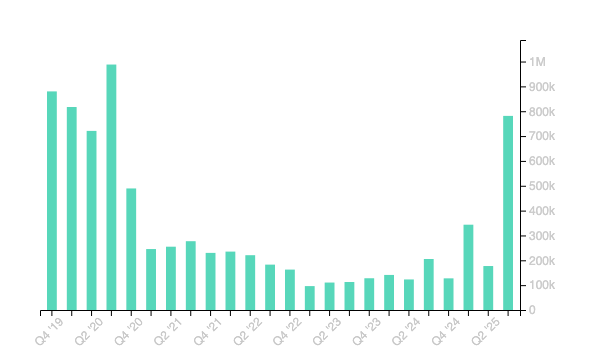
KinderCare serves over 200,000 children across approximately 1,500 centers, making it the largest provider in the country. Learning Care Group operates more than 1,150 schools across 40 states.
Together, these companies represent a substantial portion of the U.S. child-care market. Their practices, therefore, have far-reaching implications for millions of families.
The involvement of major investment firms like Partners Group and American Securities further underscores the financial stakes involved.
Financial Practices Under Scrutiny
One of the most controversial aspects of private equity ownership is the use of complex financial strategies to generate returns.
Dividend recapitalizations, in particular, have drawn criticism. While they provide immediate returns to investors, they can also increase a company’s debt burden. Critics argue that this can limit the company’s ability to invest in quality improvements, staff training, and safety measures.
Merkley’s investigation seeks to examine whether such financial practices have impacted the operations of child-care providers.
Public Reaction and Industry Impact
The announcement of the investigation has sparked widespread discussion among policymakers, industry experts, and the public.
Many parents and advocacy groups have welcomed the move, viewing it as a necessary step to ensure accountability and transparency in the child-care sector. Others have expressed concerns about potential regulatory overreach and its impact on investment and innovation.
Regardless of differing opinions, the investigation has brought renewed attention to the intersection of finance and social services.
What Happens Next?
The outcome of Merkley’s investigation could have significant implications for the future of private equity in child care and other essential industries.
If evidence suggests that profit motives have compromised safety or quality, it could lead to stricter regulations, increased oversight, and potential legislative action.
On the other hand, if companies demonstrate strong compliance and commitment to quality, it may reinforce the role of private investment in expanding access to child care.
Conclusion
The investigation led by Jeff Merkley represents a critical moment in the ongoing debate about private equity’s role in essential services. As child care becomes increasingly important for working families, ensuring its quality, affordability, and safety is more crucial than ever.
This probe is not just about two companies—it is about setting standards for an entire industry. It raises important questions about how financial interests should be balanced with social responsibility, especially when the well-being of children is at stake.
As the investigation unfolds, it will likely shape future policies and redefine how private equity operates in sectors that directly impact everyday lives.

Smartphone Trends 2026: New Technology, Features & What to Expect
Most of us will happily spend an hour debating the best trainers or which streaming…

Best Bags & Handbags 2026: Stylish, Practical & Trendy Picks
The best bag styles of fall are anything but basic. The 2026 runways introduced fresh…

Navratri Dress Ideas 2026: Beautiful Chaniya Choli, Kurta & Ethnic Looks
Navratri is one of those festivals where fashion becomes part of the celebration. Nine nights…

Best Fashion Styling Tips 2026: Easy Ways to Look Stylish, Confident & Trendy
2026 fashion trends are all about a bold combination of personal expression, revived classics, and…

Best Flight Booking Tips 2026: Find Cheap Flights & Save Money
Ever panic-booked because you thought the price would rise in the next five minutes? Same….

Trending Now 2026: Top Viral Stories, Internet Trends & Social Media Buzz
July 2026 is packed with cultural triggers. The 4th of July brought back Jennifer Coolidge’s…