
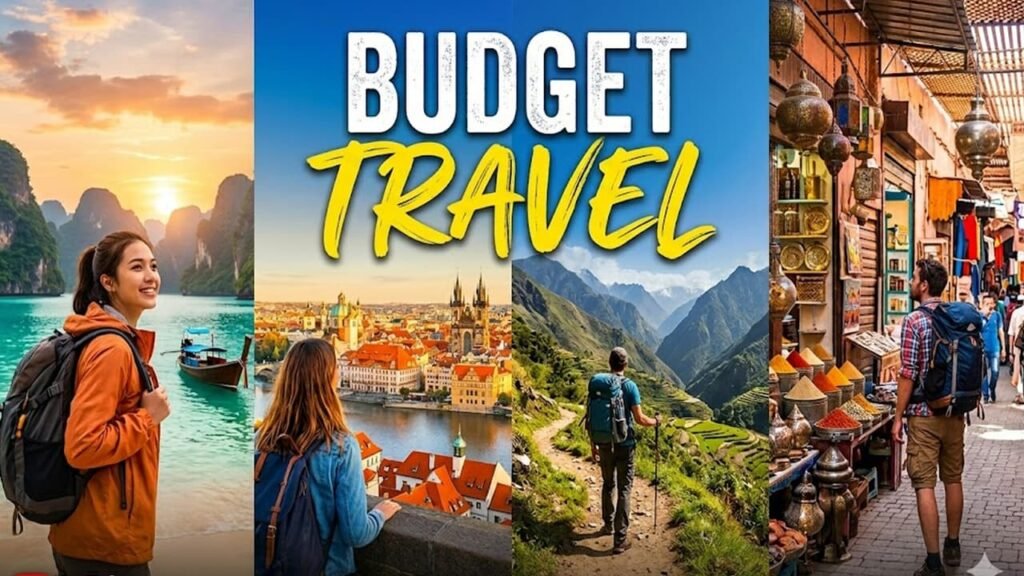
India is one of the world’s most fascinating travel destinations, offering an incredible blend of ancient history, breathtaking landscapes, colorful festivals, diverse cultures, and unforgettable culinary experiences. Whether you dream of watching the sunrise over the Himalayas, relaxing on Goa’s golden beaches, exploring centuries-old forts in Rajasthan, cruising through Kerala’s peaceful backwaters, or discovering the vibrant streets of Delhi and Mumbai, India has something for every traveler.
As travel continues to grow in 2026, India remains a top destination for solo travelers, couples, families, backpackers, luxury tourists, and adventure seekers alike. The country’s affordability, improved transportation, digital payment systems, and expanding tourism infrastructure have made traveling across India easier than ever before.
This ultimate India travel guide covers everything you need to know before planning your journey, including the best destinations, estimated budgets, transportation, safety tips, local food, the ideal time to visit, and practical advice to help you make the most of your adventure.
Why Visit India in 2026?
India is unlike any other destination. Every state has its own traditions, language, architecture, cuisine, clothing, festivals, and landscapes. Traveling from one region to another often feels like visiting a completely different country.
In 2026, travelers can enjoy improved tourism facilities, better road networks, high-speed trains on selected routes, easier digital bookings, and a growing number of eco-friendly accommodations. Whether you’re looking for spiritual experiences, wildlife safaris, mountain adventures, beach vacations, or cultural exploration, India delivers unforgettable memories at almost every budget.
The country is also one of the few places where luxury experiences and budget travel exist side by side. A traveler can stay in a royal palace hotel one night and enjoy affordable local guesthouses the next while experiencing genuine Indian hospitality throughout the journey.
Best Time to Visit India
India experiences different climates across its regions, making it a year-round destination depending on where you plan to travel.
The winter months from October to March are generally considered the best time to visit most parts of India. The weather remains pleasant, making sightseeing comfortable and enjoyable.
Summer, from April to June, is ideal for visiting hill stations such as Manali, Shimla, Darjeeling, and Kashmir, where temperatures remain cooler than the plains.
The monsoon season from July to September transforms many regions into lush green landscapes. Kerala, Meghalaya, Coorg, and the Western Ghats become especially beautiful during this period, although travelers should expect occasional heavy rainfall.
Top Destinations to Explore in India
Delhi
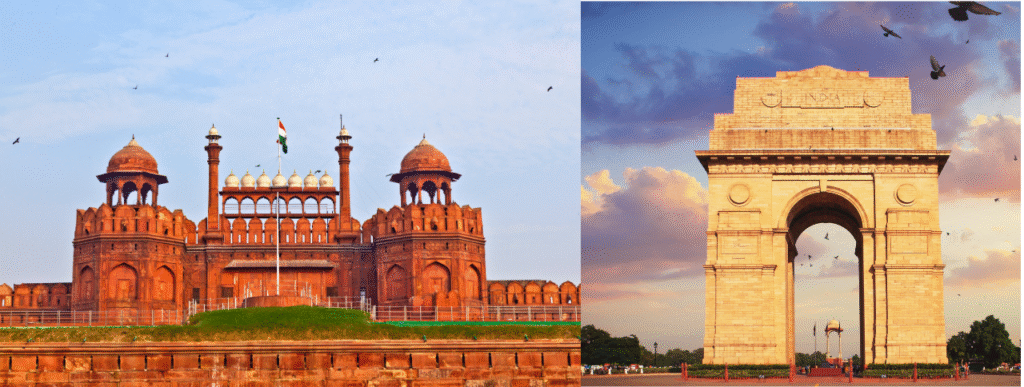
India’s capital city beautifully combines historical monuments with modern attractions. Travelers can explore magnificent Mughal architecture, bustling markets, museums, street food, luxury shopping malls, and vibrant nightlife.
Popular attractions include the Red Fort, India Gate, Qutub Minar, Lotus Temple, Humayun’s Tomb, Chandni Chowk, and Akshardham Temple. Delhi also serves as an excellent starting point for exploring North India.
Jaipur
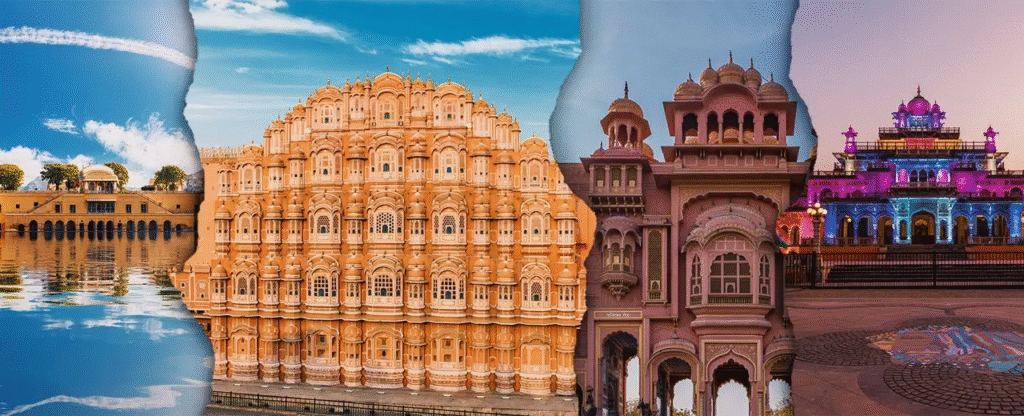
Known as the Pink City, Jaipur showcases Rajasthan’s royal heritage through magnificent forts, colorful palaces, traditional markets, and cultural performances.
Visitors can admire the Amber Fort, City Palace, Hawa Mahal, Jantar Mantar, Nahargarh Fort, and local handicraft markets. Jaipur is perfect for travelers interested in history, architecture, photography, and shopping.
Agra
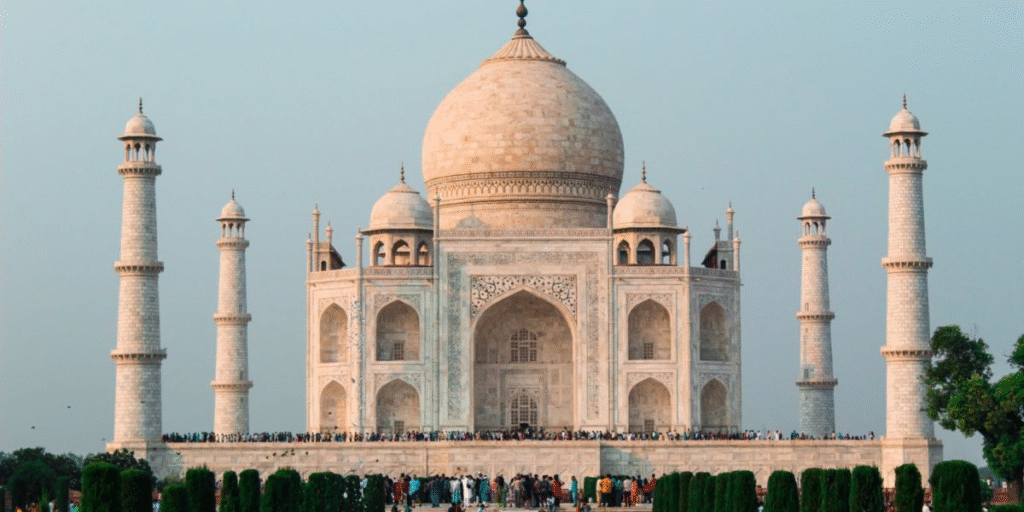
No trip to India feels complete without witnessing the breathtaking beauty of the Taj Mahal. This UNESCO World Heritage Site remains one of the world’s most famous monuments.
Besides the Taj Mahal, travelers should also visit Agra Fort, Mehtab Bagh, and Fatehpur Sikri, which together tell the story of India’s rich Mughal history.
Kerala
Often called “God’s Own Country,” Kerala offers peaceful backwaters, lush tea plantations, wildlife sanctuaries, Ayurvedic wellness retreats, and beautiful beaches.
Houseboat cruises through Alleppey’s backwaters create unforgettable memories, while Munnar’s rolling tea gardens and Thekkady’s wildlife reserves offer nature lovers endless opportunities for exploration.
Goa
Goa continues to attract travelers from around the world with its stunning beaches, Portuguese architecture, exciting nightlife, seafood, water sports, and relaxed atmosphere.
North Goa is famous for vibrant beach parties, while South Goa offers peaceful resorts and quiet beaches perfect for relaxation.
Kashmir
Frequently described as paradise on Earth, Kashmir impresses visitors with snow-covered mountains, pristine lakes, colorful gardens, and breathtaking valleys.
A shikara ride on Dal Lake, a stay in traditional houseboats, and visits to Gulmarg, Sonamarg, and Pahalgam make Kashmir one of India’s most memorable destinations.
Ladakh
Adventure enthusiasts should never miss Ladakh. Surrounded by dramatic Himalayan landscapes, crystal-clear lakes, ancient monasteries, and winding mountain roads, Ladakh offers experiences unlike anywhere else.
Popular attractions include Pangong Lake, Nubra Valley, Magnetic Hill, Khardung La Pass, and Hemis Monastery.
Varanasi
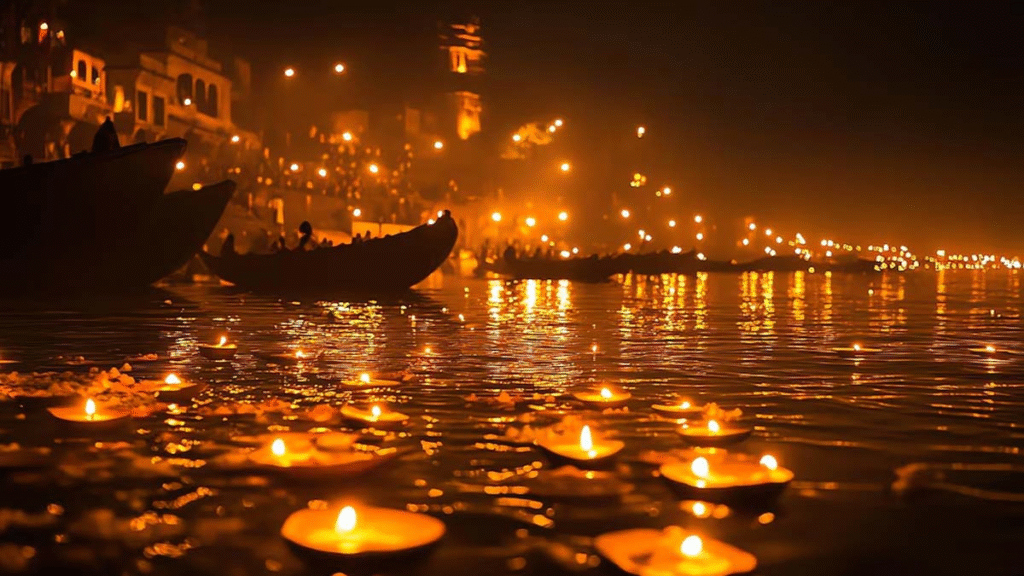
One of the world’s oldest continuously inhabited cities, Varanasi offers a deeply spiritual experience. Watching the evening Ganga Aarti along the ghats is an unforgettable cultural moment that reflects India’s spiritual heritage.
Visitors also enjoy narrow historic streets, ancient temples, local markets, and traditional cuisine.
Mumbai
India’s financial capital combines modern skyscrapers with colonial architecture, Bollywood glamour, street food, luxury shopping, and seaside attractions.
The Gateway of India, Marine Drive, Colaba Causeway, Elephanta Caves, and Juhu Beach are among the city’s must-visit attractions.
Rishikesh
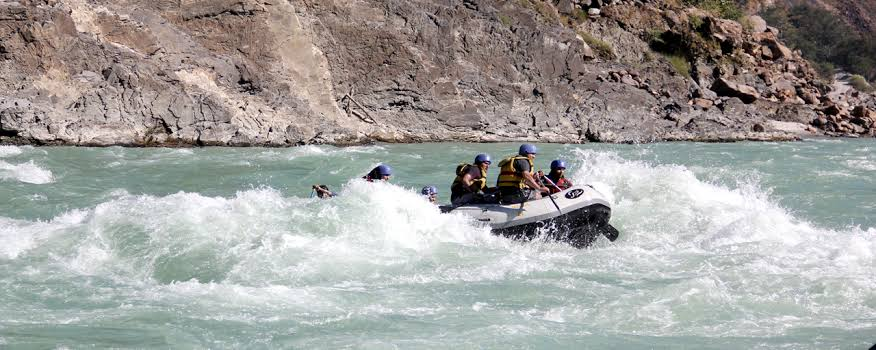
Nestled in the Himalayan foothills, Rishikesh is famous as the Yoga Capital of the World. Visitors come for yoga retreats, meditation, river rafting, scenic landscapes, and peaceful spiritual experiences.
Adventure seekers can also enjoy bungee jumping, trekking, camping, and zip-lining.
Estimated Travel Budget for India in 2026
India remains one of the most budget-friendly countries for international and domestic travelers.
Budget travelers can comfortably explore many destinations while spending approximately ₹1,500 to ₹3,000 per day, including accommodation, meals, transportation, and sightseeing.
Mid-range travelers usually spend between ₹4,000 and ₹8,000 daily while enjoying comfortable hotels, guided tours, better restaurants, and private transportation.
Luxury travelers may spend ₹10,000 to ₹30,000 or even more each day depending on their accommodation choices, fine dining preferences, private tours, and premium experiences.
Regardless of your budget, India offers exceptional value compared to many international destinations.
Transportation Around India
India has one of the world’s largest transportation networks, making travel between cities relatively convenient.
Domestic flights connect almost every major destination quickly, making them ideal for long-distance travel.
Indian Railways remains one of the most affordable and enjoyable ways to experience the country. Travelers can choose from budget sleeper coaches to premium air-conditioned classes.
For shorter journeys, buses, taxis, auto-rickshaws, metro systems, and app-based ride services provide reliable transportation. Renting scooters is also common in tourist destinations such as Goa.
Food You Must Try
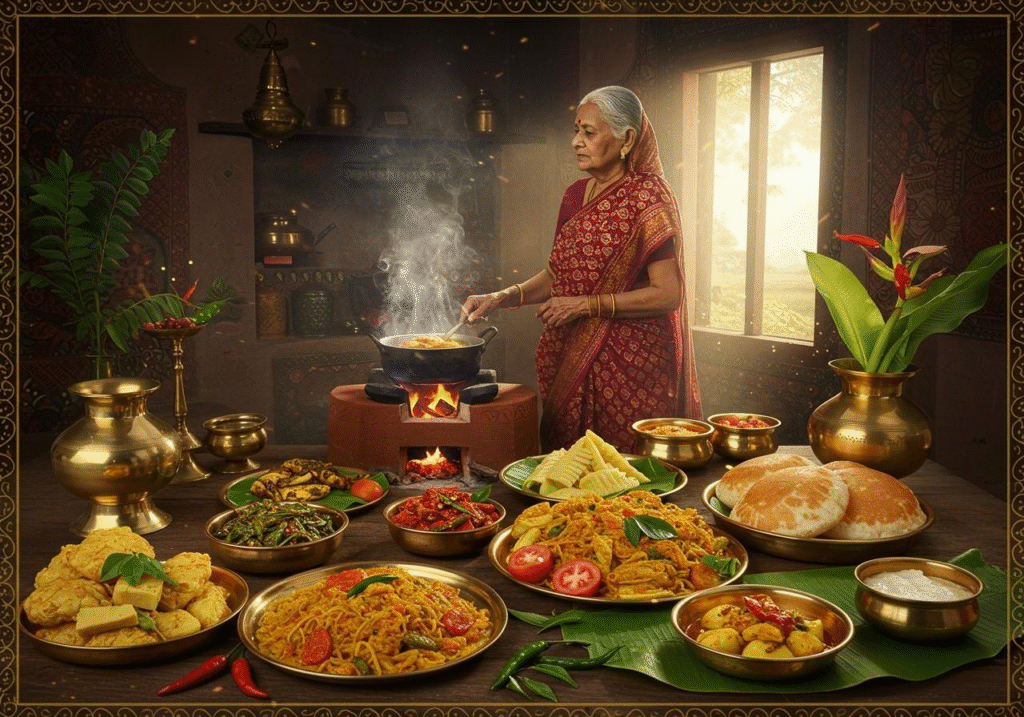
Indian cuisine is as diverse as its geography. Every region offers unique flavors, ingredients, and cooking styles that reflect local traditions.
Northern India is famous for butter chicken, naan, biryani, chole bhature, kebabs, and rich curries.
Southern India delights visitors with dosa, idli, vada, sambar, coconut chutney, seafood, and spicy Chettinad dishes.
Western India offers pav bhaji, vada pav, Gujarati thali, and seafood specialties, while Eastern India is known for fish curries, momos, sweets, and Bengali delicacies.
Street food is an essential part of the Indian travel experience. Pani puri, samosas, kathi rolls, chaat, jalebi, and kulfi are favorites among both locals and visitors.
Essential Travel Tips for India
Planning ahead makes traveling in India much smoother. Booking flights, trains, and popular hotels early is highly recommended, especially during peak tourist seasons.
Using digital payment apps alongside carrying some cash helps in both cities and rural areas. Comfortable clothing suited to local weather conditions makes sightseeing more enjoyable.
Respecting local customs, removing shoes before entering temples, dressing modestly at religious sites, and asking permission before photographing people are thoughtful practices that enhance your travel experience.
Travel insurance, reusable water bottles with filtration options, sunscreen, and basic medicines are also useful companions during longer trips.
Hidden Gems Worth Exploring
While India’s famous destinations attract millions of visitors each year, many lesser-known places offer equally rewarding experiences.
Meghalaya amazes visitors with living root bridges, waterfalls, and lush forests.
Spiti Valley offers breathtaking mountain landscapes and peaceful monasteries with fewer crowds than Ladakh.
Hampi showcases extraordinary ancient ruins and fascinating history surrounded by dramatic rocky terrain.
Coorg charms visitors with coffee plantations, waterfalls, and scenic landscapes.
Ziro Valley in Arunachal Pradesh provides a unique blend of tribal culture, natural beauty, and peaceful surroundings.
Exploring these hidden destinations allows travelers to experience another side of India beyond the traditional tourist trail.
Sustainable Travel in India
Responsible tourism is becoming increasingly important across India. Supporting local businesses, staying at eco-friendly accommodations, minimizing plastic waste, respecting wildlife habitats, and purchasing locally made handicrafts contribute positively to local communities.
Frequently Asked Questions
Is India safe for tourists in 2026?
Yes, India is generally safe for tourists who follow basic travel precautions, stay aware of their surroundings, and use trusted transportation and accommodations.
How much does a trip to India cost?
A budget traveler can comfortably explore India for around ₹1,500–₹3,000 per day, while mid-range and luxury travelers can spend significantly more depending on their preferences.
Which month is best to visit India?
October to March is considered the best time for visiting most regions due to pleasant weather.
What are the top places to visit in India?
Delhi, Jaipur, Agra, Goa, Kerala, Kashmir, Ladakh, Mumbai, Varanasi, and Rishikesh remain among the most popular destinations.
Do I need cash while traveling in India?
Although digital payments are widely accepted, carrying some cash is useful in small towns, local markets, and rural areas.
What should I pack for India?
Pack comfortable clothing, walking shoes, sunscreen, a reusable water bottle, power adapters, essential medicines, and weather-appropriate outfits based on your destination.
Is India suitable for solo travelers?
Yes. India is a popular destination for solo travelers, with many backpacker hostels, guided tours, and well-connected tourist routes.
How many days are enough to explore India?
A two to three-week itinerary allows travelers to experience multiple regions, although even a one-week trip can provide an excellent introduction to India’s culture and attractions.