
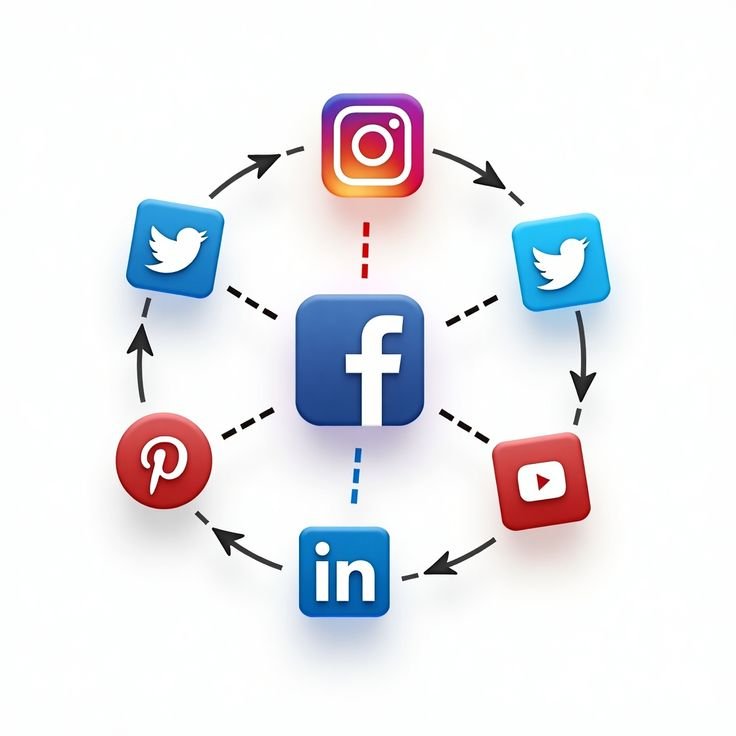
Social media marketing strategy is a well-designed plan outlining what you post, why you post it, whom you post it to, and how you measure performance.
Instead of randomly sharing content on social media in the hopes that it will work, businesses need a social media strategy that will help guide them in achieving social media objectives in a consistent manner. This connects everyday postings, videos, and ads to a business’s actual goals like brand awareness, leads, sales, and consumer engagement.
Top Social Media Platforms in 2026 (and Who Uses Them)



Not all social media platforms work alike and thus, not all are best-suited for each type of business. This is a macro-summary of today’s top platforms:
1. Facebook
- Popular with Gen Z and young millennials
- Best for short-form videos, trends, and brand discovery
- Great for brand awareness, viral reach, and influencer marketing
2. Instagram
- Strong mix of Gen Z, millennials, and creators
- Reels, Stories, and carousels drive engagement
- Ideal for visual branding, product promotion, and social commerce
3. YouTube
- Used by all age groups
- Short-form (Shorts) + long-form educational content
- Best for education, trust-building, and long-term content value
4. LinkedIn
- Professionals, decision-makers, and B2B audiences
- Thought leadership and lead generation focus
- Perfect for B2B marketing, employer branding, and high-quality leads
5. X
- News-focused, real-time conversations
- Used by creators, brands, and communities
- Useful for brand voice, updates, and customer interaction
Benefits Of Social Media Marketing
Social media is used by 5.24 billion people around the world in 2025, which is why it is the most effective tool for marketing your business. The best part is that you can do it for free as well, but paid advertising can help you scale it better.
Humanize Your Business
You can use social media to make your business a part of your target market. You can create your brand image and persona by updating your profile, posting, and interacting with your followers and target audience. This will help them trust your business as an authority.
Increase Brand Awareness
You can use social media to share branded content to educate and help your audience and build a strong brand identity. The more people recognize your brand, the better your social media campaigns will perform.
Drive Traffic
Social media can drive traffic to your website through profile links, blog post shares, and ads. This gives you chances to turn social media traffic into website visits and convert them into customers. It also supports SEO by improving social signals.
Creating Your Social Media Marketing Plan

Your social media marketing plan is the roadmap of how you will carry out your strategy. These are steps around your strategy to measure success and make sure you’re spending your social media budget effectively.
You can use these steps to create an effective social media marketing plan:
Choose The Right Platforms
Choose the social media platforms your target audience uses the most or the ones that are popular in your industry. Start with one platform and gradually add more to reach more people. A social media audit can help you identify the right platforms.
Set Clear Goals And Objectives
Start with simple tasks like setting up your profile, doing a competitor analysis, and posting daily. When you have some data, you can set social media goals like growing your followers by a set percentage.
Report And Adjust Regularly
Use the social media best practices and track results like which post gets the most engagement, and what the demographics of that audience are. Identify what works best for your brand and scale it, and fix what doesn’t.
social media marketing tips from the experts
We asked social media marketers worldwide for their top tips for beginners. Common themes include authentic connection, platform selection, and partnering with creators.
social media marketing tips from the experts
We asked social media marketers worldwide for their top tips for beginners. Common themes include authentic connection, platform selection, and partnering with creators.

“You don’t have to be everything, everywhere, all the time! It’s better to start small and focus on one platform, at a lower posting frequency, than it is to spread yourself too thin. The best way to see if social is working for your business, no matter what your goals are, is to really focus on one channel and grow from there. If your attention is divided between 10 other platforms, it’s hard to notice those small yet promising upward trends that are whispering, ‘This could work!’ to you.”
3. Optimize your profiles
“Optimize and fill out every aspect of all your social media profiles to create the best first impression for your audience. The better the first impression, the higher the perceived value. This will really help generate leads, too.”
4. Be authentic and relatable
“Don’t be afraid to test out-of-the-box ideas and be yourself. Understand that ‘being good’ on social means nothing if you aren’t meeting your objectives and reaching your business goals.”
Social media marketing resources

As you’ll have picked up from this article, social media marketing is a deep, nuanced subject, and there’s often plenty to consider before a business kicks off any kind of social media marketing campaign.
In a field constantly in flux, social media pros know staying on top of trends, platforms, tools, and features is key.
To help you get going (or level up), here are some high-level resources to bookmark and add to your social media marketing toolkit (along with the deep dives and zoom-outs we’ve linked above):
Choose your content pillars and formats
What kind of content will your audience actually care about? Could short-form video content be the best format for capturing their attention? Could partnering with an influencer take your brand awareness to the next level?
Your marketing personas will come in handy here. It’s also worth checking out what similar businesses are doing on social media. A competitive analysis can help you learn a lot from what’s working (and what’s not) for them. What are your competitors doing that works? Have they made mistakes you can learn from?
Your content pillars and formats aren’t set in stone. You can (and should) adjust them based on what’s actually working. Here’s a comprehensive guide to creating (with a handy template).