Digital marketing is the core practice through which brands increase their visibility online. This helps them to get traffic that can be converted into genuine leads. In 2026, it is evolving faster than ever before. Artificial intelligence, privacy regulations, automation tools and changing search behavior have completely reshaped how brands connect with customers.
Why are marketing trends important?
Because is so marketing closely tied to consumer behavior, no matter what area of marketing you specialize in, the effectiveness of your campaigns is susceptible to cultural ebbs and flows. To optimize your marketing plan for the modern consumer, it can be important to incorporate some trendier elements into your marketing strategy alongside the more tried-and-true efforts. Remember to keep your unique consumer base in mind because not all trends will necessarily translate across all audiences.
Top Digital Marketing Trends in 2026


1. AI-Powered Marketing Becomes the Default
Artificial intelligence is no longer just a competitive advantage, it has become the foundation of digital marketing strategies. AI tools are helping marketers in content creation, predictive analytics, automate processes, analyze massive datasets and deliver personalized experiences at scale.
2. Performance Marketing Becomes Fully Data-Driven
Performance marketing is a digital strategy where advertisers only pay when a specific criteria of result is fulfilled. These criteria are measurable actions like a click, lead, sale or app install is completed.its result driven approach makes it one of the best practices you can use in 2026.
3. Search is Changing: AI Search and Zero-Click Results
This means ranking alone can not guarantee traffic. You must optimize your brand for search visibility, entity authority and structured content that AI systems can easily interpret and reference. The focus will move from “ranking #1” to become a trusted source that AI systems cite and summarize.
4. First-Party Data and Privacy-First Marketing
Privacy regulations and changing consumer expectations are also reshaping how marketers collect and use data. With the gradual elimination of third-party cookies and stricter global privacy laws, businesses must shift toward ethical, consent-based data collection models. You also might have experienced these models on different websites where they ask about cookies.
5. Social Media Marketing Using Short-Form Video
Consumers nowadays like short forms of content that can inform them of everything they want to know. This is where Social Media Marketing strategy, short-form video, is dominating over the internet. They include amazing visuals and related content, which makes them the most powerful engagement tool. Almost all most used social media platforms have already added short videos in their algorithms like Youtube, Meta, Instagram and more.
How Businesses Can Prepare Themself for 2026 Marketing Trends?
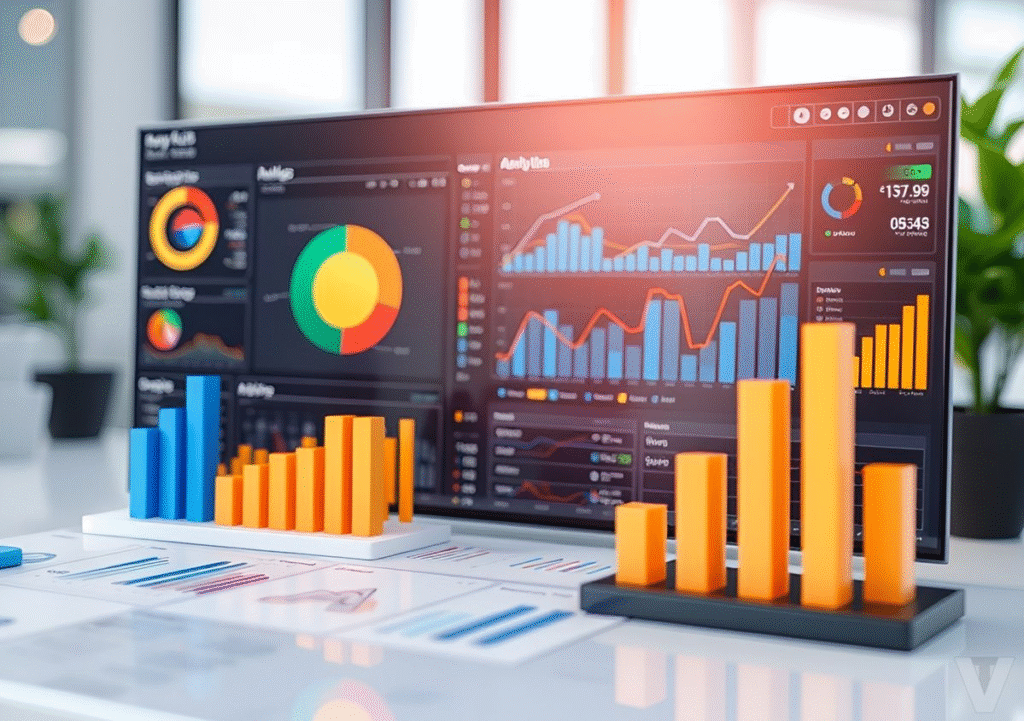
Knowing the digital marketing trends is not enough to achieve maximum possible traffic. You need proactive planning rather than reactive adjustments. This requires investing in technology, data infrastructure and skill development. The most successful companies achieve their success by combining AI automation with human creativity. Their marketing teams are upgraded with analytical capabilities while focusing on brand authenticity and trust-building. You can follow the given steps:
- Build strong first-party data systems
- Invest in AI-powered marketing tools
- Develop video-first content strategies
- Strengthen SEO authority
- Optimize content for AI search engines using Generative Engine Optimization (GEO)
- Implement omnichannel integration
My Experience Adapting to Modern Digital Marketing Trends
Over the past few years, I have seen digital marketing change more rapidly than at any other time in my career. Strategies that consistently delivered results a few years ago no longer perform the same way today. Search engines have become smarter, social media algorithms have evolved, privacy regulations have changed data collection practices, and artificial intelligence has transformed how marketers create and optimize campaigns.
Another major shift I have observed is the rapid adoption of AI-powered search platforms. More users are now asking questions directly to ChatGPT, Gemini, Claude, Perplexity and Google AI Mode instead of relying only on traditional search engines. Because of this, I now focus not only on SEO but also on Generative Engine Optimization (GEO), ensuring that content is comprehensive, trustworthy, well-structured and easy for AI systems to understand and reference.
Why Choose Viral Marketing?
Viral Marketing is a strategy that helps increase brand awareness and enhance engagement more rapidly and on a wide scale. It leverages word-of-mouth and social media platform that helps reach a wider targeted audience at a low cost. This strategy helps in improving visibility, building credibility, and authority. By enhancing brand awareness it also helps increase sales and conversion rates.
My Experience Adapting to Modern Digital Marketing Trends

Over the past few years, I have seen digital marketing change more rapidly than at any other time in my career.
Strategies that consistently delivered results a few years ago no longer perform the same way today. Search engines have become smarter, social media algorithms have evolved, privacy regulations have changed data collection practices, and artificial intelligence has transformed how marketers create and optimize campaigns.
Another major shift I have observed is the rapid adoption of AI-powered search platforms. More users are now asking questions directly to ChatGPT, Gemini, Claude, Perplexity and Google AI Mode instead of relying only on traditional search engines.
Because of this, I now focus not only on SEO but also on Generative Engine Optimization (GEO), ensuring that content is comprehensive, trustworthy, well-structured and easy for AI systems to understand and reference.
- One of the biggest lessons I have learned is that adopting every new trend is not the key to success. Instead, it is important to identify which changes genuinely improve customer experience and business outcomes. For example, AI tools have significantly reduced the time required for content creation, campaign analysis, and audience research. However, human creativity, strategic thinking, and understanding customer intent remain irreplaceable.
- I have also observed that businesses focusing on authority and trust consistently outperform those chasing quick wins. In SEO, publishing a large volume of content is no longer enough. Search engines increasingly reward brands that demonstrate expertise, provide accurate information, and create valuable experiences for users. The same principle applies to social media, where authentic engagement often delivers better long-term results than purely promotional content.
- Another major shift I have noticed is the growing importance of personalization. Customers now expect brands to understand their interests and provide relevant recommendations. Whether through email campaigns, product suggestions, or targeted advertisements, personalized experiences generally generate higher engagement and stronger customer loyalty than generic marketing messages.
- Short-form video is another trend that has fundamentally changed digital marketing. Across platforms such as Instagram, YouTube, and LinkedIn, concise and engaging video content often reaches audiences faster than traditional formats. Businesses that educate, entertain, or solve problems within a few seconds are usually rewarded with greater visibility and engagement.
Using AI for marketing analytics
Data-driven marketing isn’t a new trend, but the way marketers get their data is changing, thanks to AI. According to The Work Innovation Lab and Anthropic’s The State of AI at Work report, 30 percent of workers use generative AI for data analysis With AI driving your
Community efforts and genuine branding encourage consumer trust.
According to Gartner authenticity is the third-highest value US consumers identify with, and nurturing a genuine brand voice will become increasingly important as AI-generated content becomes more prevalent in online spaces. The modern marketer’s response: lean into emotional connections with community-building efforts. Many marketers agree that community building is key to customer retention, building trust and loyalty over time.
you can learn about your target audience, identify trends, predict behaviors, and optimize your marketing campaigns faster and more accurately than you may have without AI assistance