

As the 2026 tax season approaches, thousands of Washington, DC residents are asking one critical question: When should I file my taxes, and when will I receive my refund?
Understanding the DC Tax Filing 2026 timeline, income requirements, refund processing speeds, extension rules, penalties, and payment options can help taxpayers avoid costly mistakes and unnecessary stress. This comprehensive guide explains everything you need to know to navigate the upcoming filing season with confidence.
When Is Tax Day in 2026?
Tax Day in 2026 falls on Wednesday, April 15, 2026. The federal tax deadline traditionally lands on April 15 each year unless it coincides with a weekend or federal holiday. Since April 15 in 2026 falls on a Wednesday, there will be no extension or adjustment to the deadline.
Your tax return will be considered filed on time if it is electronically submitted by 11:59 PM on April 15, 2026. If filing by mail, your return must be properly addressed, stamped, and postmarked by April 15 to avoid penalties.
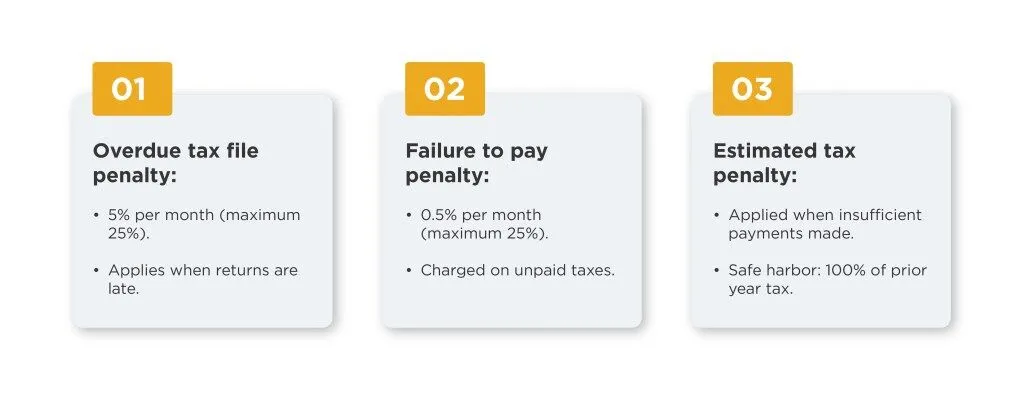
Missing the deadline may result in late filing penalties, late payment penalties, and interest charges that accumulate daily on unpaid balances.
When Can You Start Filing Taxes?
The IRS began accepting and processing federal tax returns on January 26, 2026. The District of Columbia typically aligns closely with the federal filing calendar, meaning taxpayers can begin preparing and submitting returns shortly after that date.
However, tax professionals strongly advise waiting until all required documentation has been received before filing. Submitting a return prematurely may result in errors that require amendments later.
Important documents you should collect before filing include:
- W-2 forms from employers
- 1099-NEC for freelance or self-employment income
- 1099-INT and 1099-DIV for investment income
- Mortgage interest statements
- Education and childcare expense records
According to tax experts, filing without complete documentation—especially in years involving payroll adjustments or retroactive changes—can lead to inaccurate reporting. If you have not received your W-2, you should contact your employer immediately.
DC Tax Filing 2026: Important Dates Explained
Understanding key filing deadlines is essential to avoid penalties and ensure timely refunds.
The DC filing season is expected to begin in late January 2026. The standard income tax due date remains April 15, 2026. If you require additional time to file, you must request an extension by April 15, 2026.
Approved extensions typically move the filing deadline to October 15, 2026. However, it is critical to understand that an extension only provides additional time to file paperwork—not additional time to pay taxes owed.
Self-employed individuals and business owners must also pay attention to quarterly estimated tax payment deadlines, which generally fall in April, June, September, and January.
Who Must File DC Income Taxes?
You may be required to file a DC income tax return if:
- You are a DC resident
- You earned income within the District
- DC taxes were withheld from your paycheck
- You owe DC taxes
- You expect to receive a refund
Residency status plays a significant role in determining filing requirements. Even remote workers may be required to file based on residency rather than work location.
DC Tax Filing 2026 Refund Schedule Explained
For most taxpayers, refund timing is the most important concern.
Refund processing times typically vary based on how the return is submitted. Taxpayers who file electronically and select direct deposit may receive refunds within 7 to 14 business days. Paper-filed returns may take four to six weeks to process.
To check your refund status, visit the DC Office of Tax and Revenue website. You will need your Social Security number, filing status, and expected refund amount. Electronic filers often see status updates within 48 hours of submission.
Why Some Refunds Take Longer
Refund delays may occur for several reasons. Common causes include mathematical errors, incomplete documentation, identity verification reviews, or additional scrutiny of refundable tax credits.
Returns that claim credits such as the Earned Income Tax Credit may undergo additional verification procedures before refunds are issued.
Filing electronically and carefully reviewing all entries before submission significantly reduces the risk of delays.
Federal vs. DC Tax Deadlines

In most cases, federal and DC tax deadlines align. For 2026, both are due on April 15. However, some states occasionally extend their deadlines beyond the federal date.
It is important to remember that even if a state deadline differs, your federal tax return must still be submitted by April 15, 2026.
Can You File a Tax Extension?
Yes, any taxpayer can request an extension to file their return. To do so, you must submit Form 4868 or use an approved electronic method by April 15, 2026.
If your extension request is approved, you will have until October 15, 2026, to file your return.
However, taxes owed must still be paid by April 15. Failing to pay by the original deadline may result in penalties and interest charges.
DC Tax Payment Options
If you owe taxes, the District offers several payment methods, including:
- Electronic funds transfer
- Debit or credit card
- Check or money order
Paying on time is critical to avoid accumulating interest and penalties.
Penalties for Missing the Filing Deadline
Failing to meet the April deadline can result in:
- Late filing penalties
- Late payment penalties
- Daily interest on unpaid balances
Even if you cannot pay your full tax liability, filing on time helps reduce penalties.
Common DC Tax Credits That May Increase Your Refund
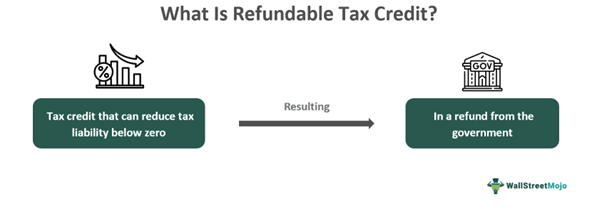
DC offers several tax credits that may significantly reduce your tax liability, including:
- Earned Income Tax Credit (EITC)
- Child and Dependent Care Credit
- Property Tax Credit
- Education Credits
Eligibility requirements vary, so reviewing qualification criteria carefully is important.
Estimated Taxes for Self-Employed Individuals
Self-employed individuals and business owners are required to make quarterly estimated tax payments. These payments help prevent a large tax bill at the end of the year and reduce the risk of penalties.
Accurate record-keeping and consistent quarterly payments are essential for compliance.
Final Thoughts on DC Tax Filing 2026
The 2026 tax filing season in Washington, DC is expected to follow a familiar structure, with an April 15 deadline, electronic refund options, and clear extension procedures.
Whether you are a salaried employee, investor, or business owner, preparation is the key to a smooth filing experience. Gather all required documents, file electronically when possible, double-check your information, and monitor official updates from the DC Office of Tax and Revenue.IRS’ tax preparation help locator tool.
With careful planning and accurate reporting, DC taxpayers can navigate the 2026 tax season efficiently and confidently.
Disclaimer: This content is for informational purposes only and does not constitute legal or tax advice. Tax laws and deadlines may change. Please consult a qualified tax professional or official IRS/DC sources for personalized guidance.
#DCTaxFiling2026 #TaxDay2026 #WashingtonDC #IncomeTax #TaxDeadlines #TaxRefund #IRS2026 #DCTaxes #TaxExtension #FinancialPlanning #TaxSeason #RefundSchedule #TaxHelp #USTaxes #TaxGuide#Carrerbook#Anslation.