
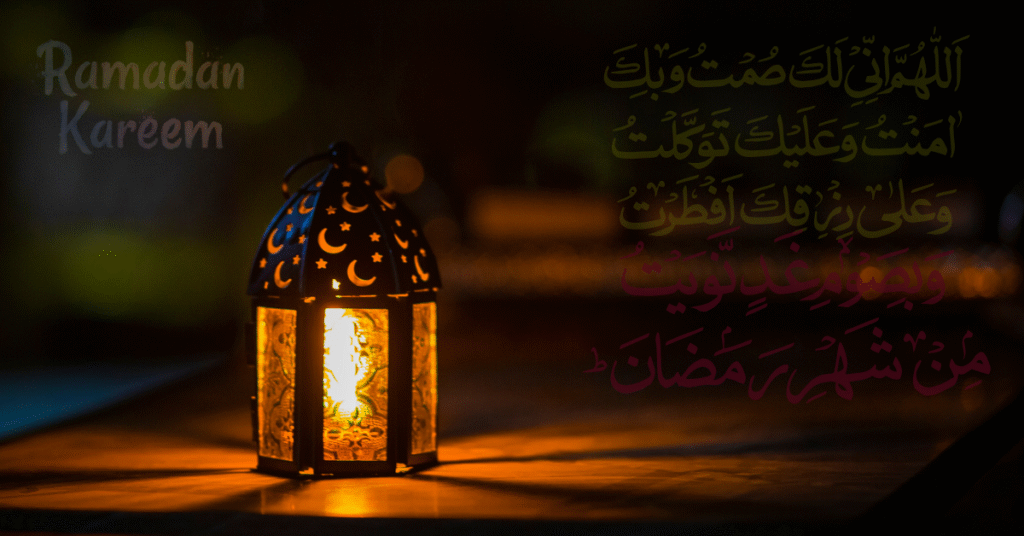
For many people outside the Muslim world, Ramadan is often understood simply as a month of fasting. From sunrise to sunset, Muslims abstain from food and drink. While this is true, it barely scratches the surface of what Ramadan truly represents. For those who observe it, Ramadan is a deeply transformative period centered on faith, compassion, discipline, and togetherness. It is a time to reset the heart, strengthen character, and reconnect with both God and humanity.
Faith: A Month of Spiritual Renewal
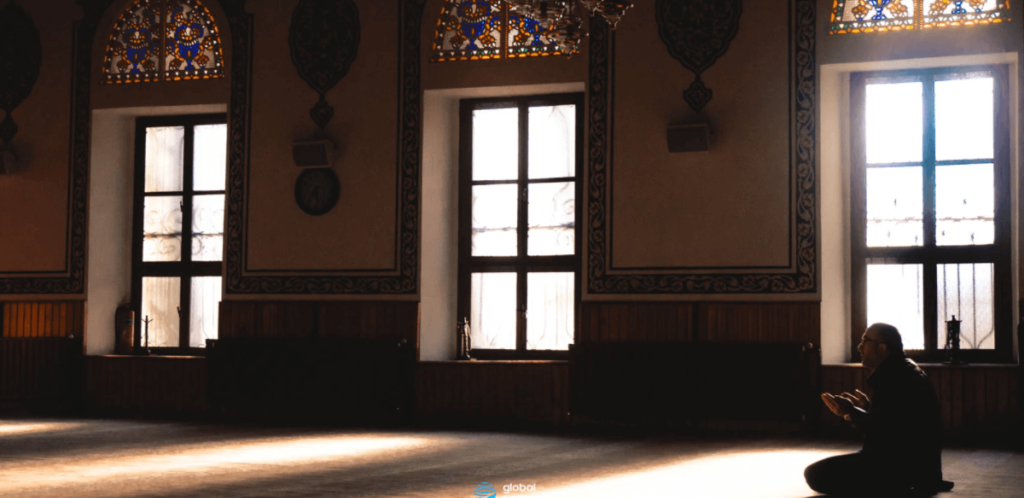
At its core, Ramadan is about faith. Muslims believe this is the month when the Quran was first revealed, making it a sacred period for reflection and spiritual growth. Fasting is not meant to punish the body, but to awaken the soul. By stepping away from physical comforts, believers focus more on prayer, patience, and gratitude.
Daily routines shift to make space for worship. Many Muslims pray more frequently, read or listen to the Quran, and engage in personal reflection. Ramadan encourages people to be mindful of their actions, words, and intentions. It is a reminder that faith is not only practiced through rituals, but through everyday behavior—how one treats others, manages anger, and shows humility.
Charity: Giving Beyond Obligation
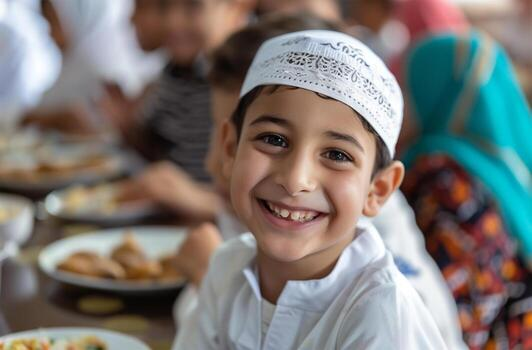
Charity holds a central place in Ramadan. While generosity is encouraged throughout the year, this month amplifies the importance of giving. Muslims are reminded of those who struggle with hunger, poverty, and hardship, which naturally increases empathy and compassion.
One of the most significant aspects of Ramadan charity is Zakat and Sadaqah. Zakat is an obligatory form of charity, while Sadaqah is voluntary and can be given in any amount. During Ramadan, many choose to give more, donate food, support community kitchens, or help families in need. Even small acts, such as sharing a meal or offering help to a neighbor, are considered meaningful forms of charity.
This focus on giving reinforces the idea that Ramadan is not just about personal spirituality, but also about social responsibility and kindness toward others.
Community: Strengthening Human Connections
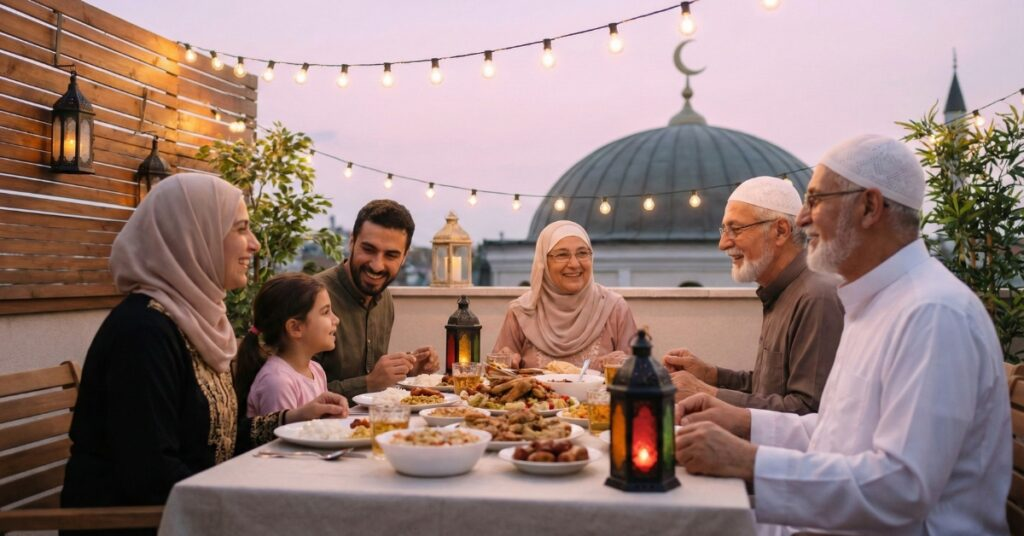
Ramadan has a powerful way of bringing people together. Families gather for Sehri before dawn and Iftar after sunset, turning meals into moments of connection and gratitude. Mosques and community centers become vibrant spaces where people pray, break fasts together, and support one another.
Beyond religious gatherings, Ramadan often fosters a sense of unity that extends into the wider community. Neighbors share food, friends invite one another for Iftar, and many interfaith communities come together to learn and celebrate mutual respect. The shared experience of fasting creates empathy and understanding, reminding people that community is built through shared values, patience, and care.
Discipline and Self-Growth
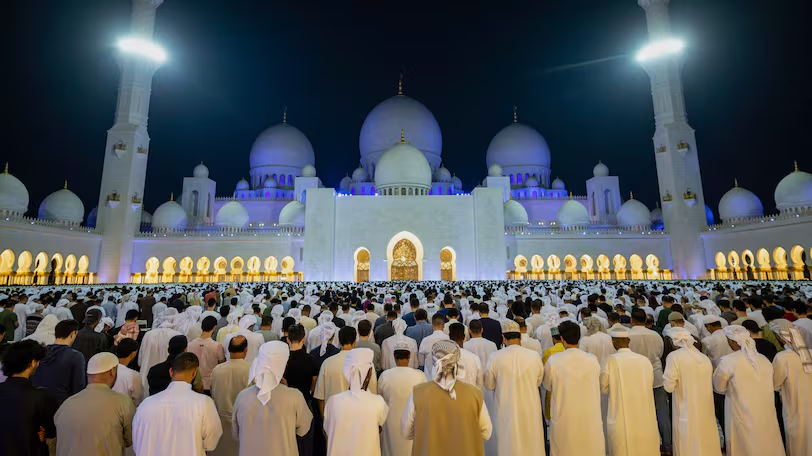
The Psychology of Self-Control
in Ramadan
Another powerful dimension of Ramadan is self-discipline. Fasting teaches control over desires, time, and habits. It encourages people to let go of harmful behaviors, whether that means gossip, anger, or unhealthy routines. The goal is not perfection, but progress—a conscious effort to become a better version of oneself.
This sense of discipline often extends beyond Ramadan. Many people find that the lessons learned during the month influence their choices and mindset long after it ends.
Final Thought
Ramadan is far more than abstaining from food and drink. It is a month of inner reflection, generosity, and human connection. Through faith, charity, and community, Ramadan offers a chance to slow down, realign priorities, and nurture compassion in a world that often moves too fast. Its true essence lies not in hunger, but in humility, gratitude, and shared humanity.
Best Time to Visit Dubai: Weather, Events & Travel Advice
Planning a trip to Dubai is exciting. The city promises futuristic architecture, desert adventures, luxury…
Luxury in Bali: Best Resorts, Villas & Private Pool Stays
Bali has long been known as a tropical escape, but over the years it has…

5 Secret Beaches You’ve Never Heard Of (But Should Visit Now)
There’s something deeply satisfying about discovering a beach that doesn’t appear on every travel brochure….

When Is the Best Time to Visit Turkey? Month-by-Month Guide
Turkey is a country that feels like several destinations woven into one. From the skyline…
Allison Holker Engaged to Adam Edmunds After Surprise Proposal
Allison Holker is dancing into a new chapter. The So You Think You Can Dance alum—who…

Powerful Global Data Privacy & AI Law Review 2025
The closing months of 2025 marked a significant period for global data privacy and artificial…

Myths and Facts About Ramadan
Myth 1: Ramadan is only about not eating or drinking.
Fact: Fasting is just one part of Ramadan. The month focuses on spiritual growth, self-discipline, prayer, charity, and improving personal behavior.
Myth 2: Muslims do not drink water for an entire month.
Fact: Muslims fast only from dawn to sunset. Eating and drinking are allowed during non-fasting hours.
Myth 3: Ramadan makes people less productive.
Fact: Many people remain fully active during Ramadan, balancing work, worship, and daily life with adjusted routines.
Myth 4: Charity during Ramadan is optional and rare.
Fact: Charity is a core value of Ramadan. Many Muslims increase donations, share food, and actively help those in need.
Myth 5: Ramadan is observed the same way everywhere.
Fact: While fasting rules are universal, cultural traditions, foods, and community practices vary across regions.
Disclaimer
This article is intended for informational and educational purposes only. Religious practices and interpretations may vary among individuals and communities.
Hashtags
#Ramadan #RamadanMeaning #FaithAndSpirituality #CharityInRamadan #CommunitySpirit #IslamicTraditions #HolyMonth #Carrerbook #Anslation