

There is a quiet rhythm to how human history moves. Just as a forest slowly shifts its canopy across decades—stretching branches toward new light while shedding leaves that no longer serve a purpose—the landscape of human learning undergoes its own periodic transformations.
Every few generations, the horizon moves. The maps drawn by those who came before us remain beautiful, historical, and deeply worthy of respect, but they no longer match the topography beneath our feet.
We find ourselves walking through just such a landscape right now. The rooms where learning happens are shedding their old, rigid skins. Classrooms once framed strictly by blackboards, stacks of heavy paper, and physical boundaries have expanded into sprawling, interconnected spaces. Learning now happens in living rooms, through digital corridors, within virtual workshops, and alongside artificial minds.
Yet, in the middle of all this high-speed modern noise, a profound truth has emerged: high marks on a piece of paper, while still meaningful, are no longer the ultimate prize. Academic certificates are keys, but they only unlock the front door; what you do once you step inside depends entirely on your character, your resilience, and your practical human capability.
To thrive today, a student cannot simply be a passive vessel waiting to be filled with information. You must become a seeker, a builder, a thoughtful communicator, and an adaptable traveler.
Why Good Grades Are Only the Beginning
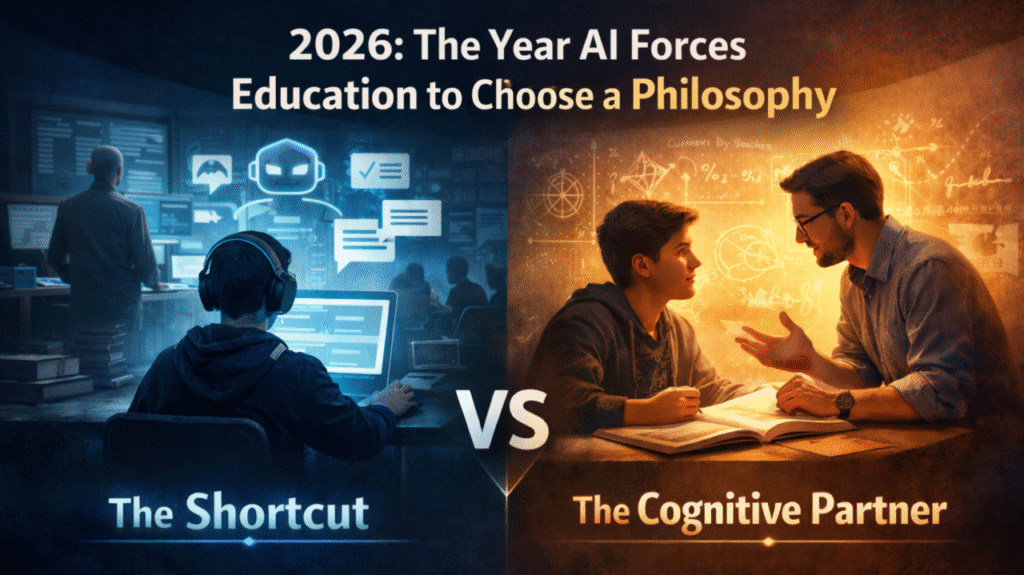
For generations, education followed a relatively straightforward contract. You listened quietly, memorized the facts written on the board, reproduced them during exam week, and earned your grade. If your marks were high, your path forward was assumed to be smooth and secure.
That contract has been quietly rewritten. Today, you can score top marks on a written test and still find yourself utterly lost when asked to resolve a conflict within a diverse team, pivot when a project strategy fails, or articulate a complex idea to someone who views the world differently.
┌─────────────────────────────────────────────────────────────────────────────┐
│                           THE MODERN BALANCE SHEET                          │
├────────────────────────────────────────┬────────────────────────────────────┤
│ Traditional Academic Focus             │ Practical Future-Ready Capabilities│
├────────────────────────────────────────┼────────────────────────────────────┤
│ • Memorizing fixed facts               │ • Questioning assumptions & context│
│ • Working individually for test scores │ • Deep collaboration across teams  │
│ • Following rigid instructions         │ • Navigating unexpected change     │
│ • Treating failure as a final score    │ • Treating mistakes as vital data  │
└────────────────────────────────────────┴────────────────────────────────────┘
The rise of automated tools and digital systems has taken over much of the routine, repetitive labor that used to consume human hours. Because software can process numbers and retrieve facts in milliseconds, the human value has shifted entirely toward what machines cannot do:
- Thinking deeply through ethical dilemmas.
- Listening to a classmate with genuine empathy.
- Navigating the messy, unscripted reality of real-world problem-solving.
Building these abilities takes time. They do not arrive overnight like a software download; they grow slowly, like the deep root system of a cedar tree. They are cultivated through small daily choices, occasional stumbles, thoughtful reflection, and steady practice.
The Digital Stream: Finding Clarity Amidst Noise
Digital Literacy Beyond the Screen
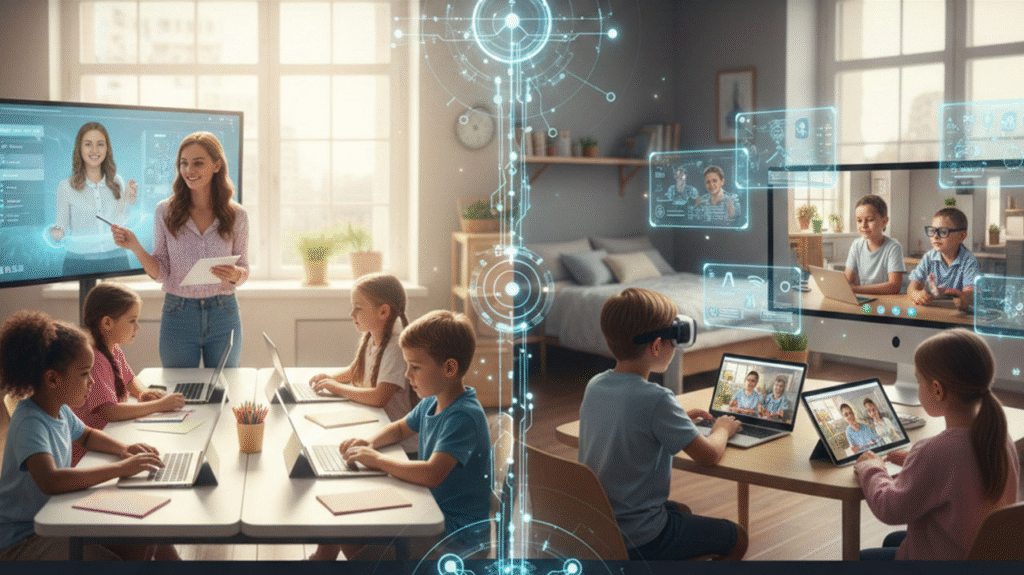
To speak of “digital literacy” as merely knowing how to type, open a browser, or send a text message is like saying a master carpenter only needs to know how to hold a hammer. Modern digital literacy is about finding quiet focus within a rushing river of information.
                    [ RAW INFORMATION FLOOD ]
           Notifications • Search Feeds • AI Outputs
                                │
                                ▼
                       ( Digital Discernment )
                                │
           ┌────────────────────┴────────────────────┐
           ▼                                         ▼
   [ Verified Truth ]                        [ Distraction & Noise ]
   Clear, Source-Checked Facts               Filtered Out & Dropped
Information now rushes past us continuously. Being digitally literate means knowing how to step into that stream without getting swept away. It means:
- Source-Checking as a Habit: Knowing how to trace an online claim back to its origin, comparing different perspectives, and recognizing when a headline is designed to provoke anger rather than convey truth.
- Protecting Your Digital Hearth: Managing your privacy, recognizing quiet scams, safeguarding your personal data, and treating your digital spaces with the same care you would give your own physical home.
- Intentional Unplugging: Understanding that the most productive digital tool in your life is sometimes the off switch. True digital confidence includes knowing when to close the laptop, look up at the sky, and give your mind room to process what you have learned.
Artificial Intelligence: The Compass, Not the Captain

Artificial intelligence has moved into the classroom like a sudden change in wind. It can outline essays, debug code, summarize vast articles, and generate study guides in seconds. Naturally, this causes both excitement and quiet worry.
The secret to navigating AI is realizing that while it can analyze the terrain, it has no heart to decide which mountain is worth climbing.
An AI can generate a thousand poetic sentences in seconds, but it has never felt the sting of cold rain, the warmth of a fire, or the quiet joy of a long-awaited victory. It provides the draft; you provide the soul.
┌─────────────────────────────────────────────────────────────────────────────┐
│                            HUMAN-AI SYMBIOSIS                               │
├────────────────────────────────────────┬────────────────────────────────────┤
│ What the Tool Provides                 │ What You Must Bring                │
├────────────────────────────────────────┼────────────────────────────────────┤
│ • Speed and rapid iteration            │ • Moral vision and ethics          │
│ • Pattern finding in big data          │ • Emotional nuance and context     │
│ • Structural drafts and summaries      │ • Original creative instinct       │
│ • Repetitive task execution            │ • Critical verification of truth   │
└────────────────────────────────────────┴────────────────────────────────────┘
Use these tools as supportive mirrors and rough-draft partners. Question their output. Compare their suggestions against trusted books and expert voices. Treat AI as a helpful assistant that works for you—never let it become the primary thinker in your life.
The Core Pillars of Human Capability
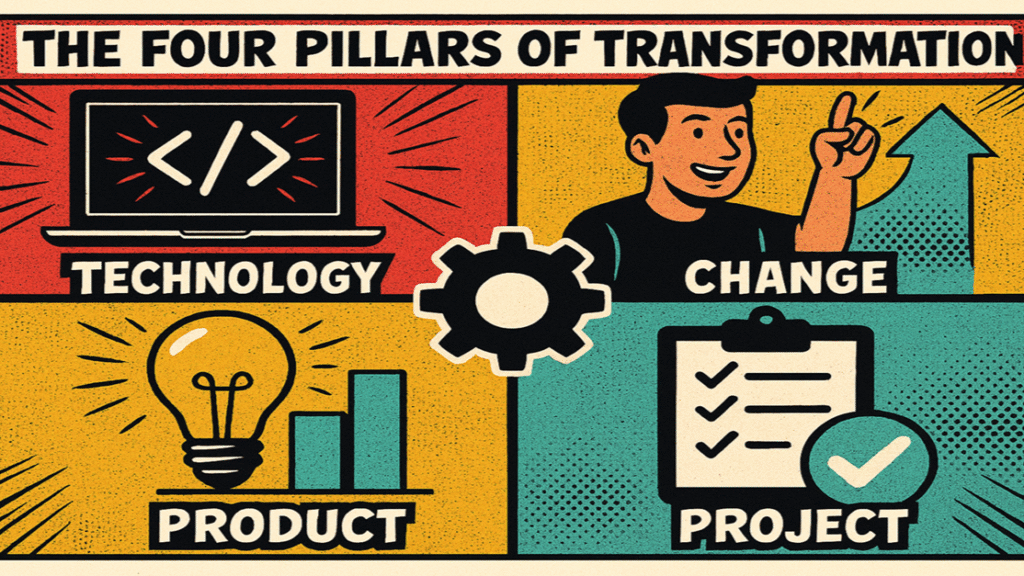
If technology handles the mechanical tasks, what are the human capabilities we must nourish? Think of these as interconnected roots supporting a healthy tree.
                          ┌────────────────────────┐
                          │  THE FULL HUMAN MIND   │
                          └───────────┬────────────┘
                                      │
         ┌──────────────┬─────────────┼─────────────┬──────────────┐
         ▼              ▼             ▼             ▼              ▼
   Critical Sense  Communication   Adaptability  Time Mastery   Empathy & EQ
  (Rooted Truth)   (Bridge Work)  (Willow Mind)  (Rhythm & Focus) (Human Warmth)
1. Critical Thinking: Rooted Like an Oak
When opinions are cheap and information moves at light speed, critical thinking is your steady anchor. It is the practice of pausing before reacting.
A critical thinker treats every claim like a piece of timber being used to build a bridge. You test it for weight, look for hidden cracks, and ask:
- Who built this argument, and why?
- What evidence supports this conclusion?
- What quiet details might be missing from this story?
By asking these questions, you stop being a passive consumer of other people’s ideas. You become an active builder of your own understanding.
2. Communication: Building Invisible Bridges

Brilliant ideas are like seeds stored in a glass jar—safe, neat, but completely dormant until they are planted in shared soil. Communication is how you plant those seeds in the minds of others.
  [ YOUR INNER THOUGHT ] ──── ( Empathetic Listening ) ────► [ SHARED UNDERSTANDING ]
             │                                                      │
             └──────────────── Clarity & Warmth ────────────────────┘
- Speaking with Intent: Expressing your thoughts simply and directly, avoiding unnecessary jargon designed only to sound clever.
- Writing with Care: Crafting emails, papers, and messages that treat the reader’s time as precious.
- Active Listening: This is perhaps the rarest half of communication. Listening is not merely waiting for your turn to speak; it is quietly making space to truly absorb what another human being is trying to convey.
3. Adaptability: The Willow’s Secret
When heavy winter snow falls upon a forest, stiff and brittle pine branches often snap under the weight. But the flexible branches of a willow bow gracefully toward the ground, allow the snow to slide off into the soil, and spring back unharmed toward the morning sun.
In learning, you must develop the mind of the willow:
                  ┌───────────────────────────────────────┐
                  │          THE WILLOW FRAMEWORK         │
                  └───────────────────┬───────────────────┘
                                      │
             ┌────────────────────────┴────────────────────────┐
             ▼                                                 ▼
   [ The Rigid Response ]                            [ The Flexible Mind ]
   • Resists sudden changes                          • Welcomes new information
   • Views mistakes as failure                       • Treats errors as valuable data
   • Breaks under pressure                           • Bends, learns, and resets
When a project goes wrong, a grade falls short, or an unexpected change disrupts your plans, do not treat it as a personal defeat. View it as real-time feedback. Adaptability is the quiet understanding that your capabilities are not set in stone—they flex and expand through effort and patience.
Crafting the Inner Architecture

Beyond your relationship with technology and external tasks, true stability comes from how you manage your inner world.
Time as a Flowing River
Time management is rarely about color-coded planners or rigid, stress-inducing schedules. At its core, it is about honoring your energy and choosing what gets access to your finite life.
- Prioritize the Substantial: Focus first on the tasks that actually move your life forward—the deep reading, the complex problem, the creative assignment—before letting small notifications swallow your day.
- Create Restorative Boundaries: Give yourself permission to be completely done at the end of a work session. A mind that never rests soon forgets how to think clearly.
Financial and Emotional Awareness
Two areas that traditionally received little attention in classrooms are now proving to be foundational for a stable life: financial clarity and emotional intelligence.
┌─────────────────────────────────────────────────────────────────────────────┐
│                          STABILITY FROM THE INSIDE OUT                      │
├────────────────────────────────────────┬────────────────────────────────────┤
│ Financial Literacy                     │ Emotional Intelligence             │
├────────────────────────────────────────┼────────────────────────────────────┤
│ • Understanding personal budgets       │ • Recognizing personal stress early│
│ • Distinguishing needs from wants      │ • Responding rather than reacting │
│ • Building long-term savings habits    │ • Showing empathy to peers & partners│
│ • Treating money as a practical tool   │ • Cultivating steady mental focus │
└────────────────────────────────────────┴────────────────────────────────────┘
Understanding how money flows—how to budget, save, and avoid impulsively spending on passing distractions—builds real-world independence. Equally, understanding your internal emotional weather allows you to stay calm under academic pressure and respond to disagreements with grace rather than quick anger.
Practical Daily Steps for the Human Student
Growth does not require a dramatic life overhaul. It happens through quiet, steady habits practiced day after day.
    ┌────────────────┐       ┌────────────────┐       ┌────────────────┐
    │  READ WIDELY   │ ────► │ BUILD PROJECTS │ ────► │ UNPLUG QUIETLY │
    │ Outside your   │       │ Turn ideas into│       │ Step back to   │
    │ major interest │       │ real artifacts │       │ reflect daily  │
    └────────────────┘       └────────────────┘       └────────────────┘
- Read Beyond Your Main Subject: If you study technology, pick up a book of poetry, history, or philosophy. If you study literature, explore basic ecology or economics. Broad interests build unexpected bridges in the mind.
- Make Something Tangible: Do not let your knowledge live entirely in notebooks. Build a simple website, plant a garden, write an essay for a local journal, or volunteer for a community project. Practical execution turns theory into real confidence.
- Practice Quiet Reflection: Set aside twenty minutes each day away from all digital screens. Walk through a park, write in a paper journal, or simply sit quietly. The best ideas usually surface when the noise stops.
- Seek Constructive Critique: Treat feedback as a helpful mirror rather than an attack. Welcome teachers, peers, and mentors who point out your blind spots—they are giving you the maps you need to grow.
becoming lifelong learning
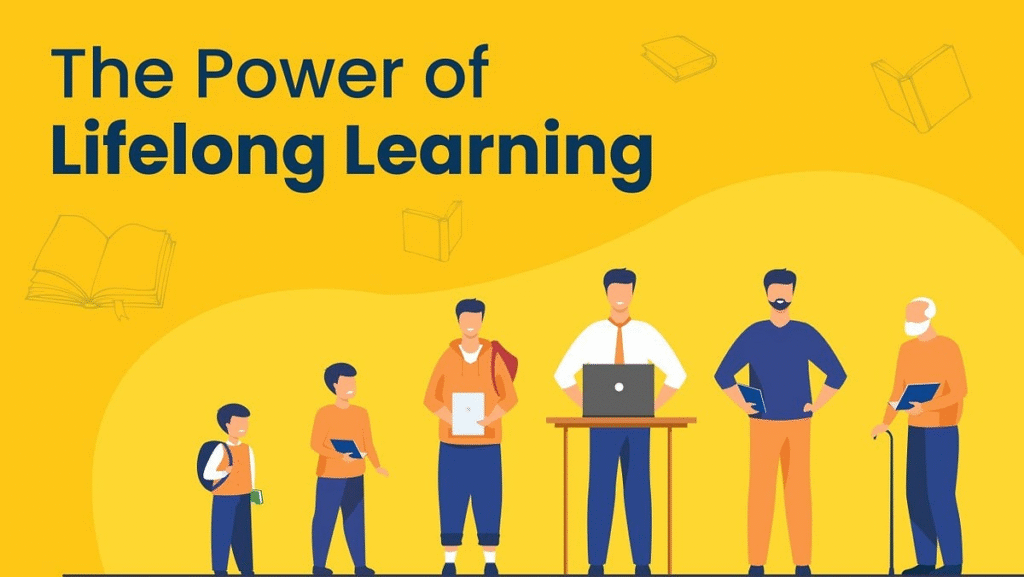
The world will continue to change. Industries will evolve, technologies that seem groundbreaking today will become commonplace tomorrow, and new challenges will inevitably arrive.
You do not need to have every answer right now. You only need to remain curious, resilient, and grounded.
Work hard for your grades, but invest even more deeply in your character. Learn how to listen, how to pivot when plans crumble, how to use digital tools with quiet wisdom, and how to treat both success and failure as temporary teachers along the path. When you combine practical competence with deep human warmth, you do not just adapt to the future—you help make it a far better place for everyone.
FAQs
What is the most important skill for students in 2026?
Digital literacy and critical thinking are among the most important because students need to use technology wisely and judge information carefully.
Why do students need AI awareness?
AI awareness helps students use modern tools responsibly without becoming overly dependent on them.
How can students improve communication skills?
Students can improve by practicing speaking, writing more often, listening actively, and participating in discussions or presentations.
Is time management really that important for students?
Yes, time management helps students stay organized, meet deadlines, and reduce stress.
What does adaptability mean for students?
Adaptability means being open to change and willing to learn new methods, tools, or ideas when situations shift.