Social media and advertising are evolving at an unprecedented pace, making 2026 a landmark year for digital marketers worldwide. The fusion of advanced AI, powerful data analytics, and emerging platforms is reshaping how brands engage and build relationships with consumers.
This dynamic landscape brings both challenges and opportunities. Marketers must adopt innovative strategies and prioritize measurable ROI to thrive. This guide offers a clear roadmap to mastering social media and advertising in 2026.
Explore key trends, the latest platforms and formats, campaign planning, measurement, compliance, and strategies for staying ahead in the ever-changing digital world.
What Is Social Media Marketing Strategy?
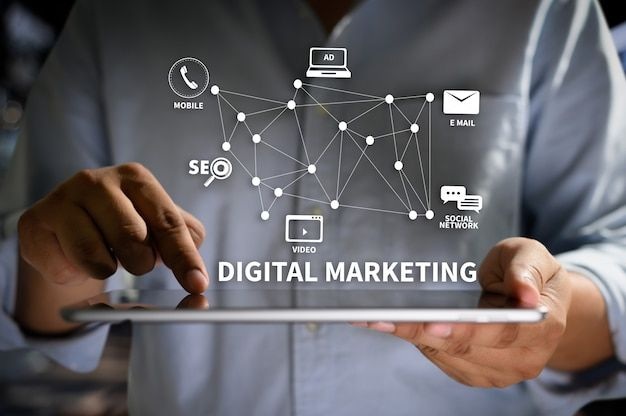
Social media marketing strategy is a well-designed plan outlining what you post, why you post it, whom you post it to, and how you measure performance.
Instead of randomly sharing content on social media in the hopes that it will work, businesses need a social media strategy that will help guide them in achieving social media objectives in a consistent manner. This connects everyday postings, videos, and ads to a business’s actual goals like brand awareness, leads, sales, and consumer engagement.
The Latest Social Media Advertising Platforms and Formats
In 2026, the landscape of social media and advertising is more dynamic than ever before. Marketers now navigate a complex ecosystem of established giants and innovative newcomers. Brands must understand where their audiences spend time and how to captivate them across multiple channels. Let’s explore the leading platforms, emerging technologies, and the ad formats redefining digital engagement.
platform-by-Platform Breakdown
The social media and advertising ecosystem in 2026 is anchored by a handful of dominant platforms, each catering to distinct audiences and business goals.
Meta (Facebook and Instagram) remains a powerhouse, offering unmatched reach and sophisticated targeting tools. Its audience spans multiple age groups, with Instagram thriving among millennials and Gen Z, while Facebook maintains a broader demographic appeal. Meta’s ad formats include Stories, Reels, in-feed videos, and shoppable posts, empowering brands to run both awareness and conversion-driven campaigns.
LinkedIn is the go-to platform for B2B marketers. Its advanced targeting based on professional attributes delivers high-quality leads, albeit at a higher cost per click. Sponsored content, lead gen forms, and video ads drive measurable results.
X (formerly Twitter) excels at real-time engagement and topical conversations. Brands use X to tap into trending topics and connect with audiences during live events. Promoted tweets and conversational ads boost brand awareness.
Pinterest thrives on visual discovery and intent-driven search. It is a hub for e-commerce brands, with shoppable Pins and product catalogs enabling direct purchases.
What is Social Media Marketing?
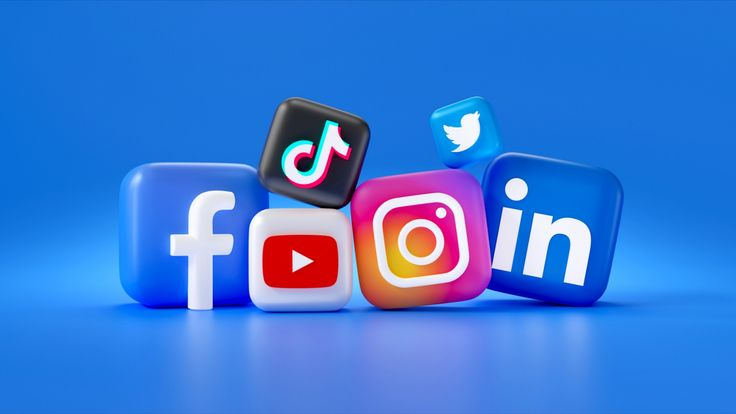
Social media marketing (SMM) is the strategic use of platforms like Facebook, Instagram, LinkedIn, and YouTube to connect with target audiences, build brand awareness, drive website traffic, and generate sales leads. Unlike traditional advertising, SMM combines organic content creation with paid advertising, leveraging platform algorithms to deliver personalized messages at scale.
Core components include:
- Organic posting: Free content (images, videos, Stories) optimized for each platform’s algorithm
- Paid advertising: Targeted ads using geo-fencing, interest stacking, and lookalike audiences
- Community engagement: Responding to comments, running polls, hosting live sessions
- Analytics tracking: Measuring engagement rates, click-throughs, and ROI
Unlike one-way advertising, SMM creates two-way conversations – customers comment, share user-generated content, and become brand advocates. Small businesses achieve 3-5x ROI through $50 weekly budgets, while enterprise campaigns scale to millions. SMM transforms social platforms from entertainment channels into customer acquisition engines, with 4.9 billion global users representing every demographic and buying journey stage.
Does My Business Need Social Media Marketing?
Yes, if your business relies on local customers, visual appeal, or repeat business-90% of small businesses see growth through social media. Even service-based operations like salons, restaurants, and consultancies benefit from Instagram Stories showcasing transformations and Facebook local groups driving foot traffic. B2B firms gain 80% of leads from LinkedIn, while e-commerce thrives on TikTok’s viral discovery algorithm.
Skip it only if you’re a solo consultant with established offline networks OR your industry prohibits social promotion (legal/financial compliance). Otherwise, social media delivers 3-5x ROI versus traditional advertising through precise geo-targeting (5-mile radius ads) and authentic engagement building trust faster than websites alone.
Understanding Social Media Marketing Fundamentals
Why Social Media Works for Small Businesses
Social platforms excel for small businesses because they prioritize relevance over ad spend. Facebook’s algorithm favors content sparking conversations, while Instagram rewards visual authenticity. LinkedIn drives B2B leads through professional networking.
Unlike traditional advertising requiring $10,000+ campaigns, social media enables $50 test budgets yielding actionable insights. Local businesses particularly benefit from geo-targeted ads reaching customers within 5-mile radii, perfect for restaurants, salons, and retail shops. Organic strategies compound over time—consistent posting builds trust, turning followers into repeat customers.
Best Social Media Marketing Trends in 2026
To stay ahead in the competition, follow these trends:
AI-Driven Marketing
AI tools help create personalized content and automate campaigns.
Voice and Visual Search
Users are increasingly using voice and image search features.
Short-Form Video Dominance
Platforms are prioritizing short, engaging videos.
Social Commerce Growth
Users can now buy directly from social media platform.
Planning and Executing Winning Social Media Ad Campaigns
Success in social media and advertising requires structured planning, strategic execution, and ongoing optimization. In 2026, brands face a fast-changing landscape, making it critical to align every campaign with clear business outcomes. Let us break down each stage of a winning campaign, from goal setting to launch.
Setting Goals and Objectives
Every social media and advertising campaign should start with specific, measurable goals. These objectives guide your strategy and help quantify success. Common campaign goals include:
- Brand awareness (reach, impressions)
- Engagement (likes, comments, shares)
- Lead generation (form fills, registrations)
- Conversions (sales, sign-ups)
For each goal, define key performance indicators (KPIs) such as click-through rate (CTR), return on ad spend (ROAS), or cost per acquisition (CPA). For example, if your objective is brand awareness, track increased recall or uplift in search queries.
Aligning social media and advertising objectives with overall business priorities ensures every dollar spent drives meaningful results. Regularly revisit and refine these goals as platforms and user behaviors evolve.
Audience Targeting and Segmentation
Effective audience targeting is at the core of successful social media and advertising. Platforms now offer advanced segmentation, powered by AI and analytics, to reach the most relevant users.
Measuring and Optimizing Social Media Advertising Performance

Effectively measuring and optimizing social media and advertising campaigns is essential for maximizing impact and ROI. In 2026, advanced analytics and automation tools empower marketers to track every dollar spent and adapt quickly. By focusing on the right metrics and embracing data-driven decision-making, brands can ensure their social media and advertising strategies remain agile and effective.
Clear measurement is the foundation of successful social media and advertising campaigns. Marketers must track a range of metrics across the buyer journey, from awareness to conversion.